
The main TCM treatments for depression include soothing the liver and relieving depression, invigorating the spleen and qi, nourishing the heart and tranquilizing the nerves, promoting blood circulation and removing blood stasis, and acupuncture and moxibustion and moxibustion. Depression belongs to the category of depression syndrome in traditional Chinese medicine, which is usually related to emotional disorder, deficiency of qi and blood, dysfunction of viscera and other factors. Symptoms can be improved by means of traditional Chinese medicine conditioning, acupuncture and moxibustion, massage and other methods.
1. Soothing the liver and relieving depression
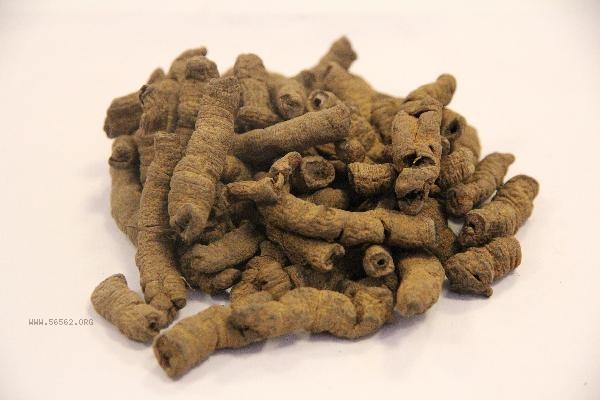
Liver qi stagnation is a common cause of depression, manifested as symptoms such as low mood, chest and rib pain, belching and sighing. Traditional Chinese medicine commonly uses modified Chaihu Shugan San for treatment, including Chaihu, Baishao, Xiangfu, etc., which can alleviate liver depression and qi stagnation. In daily life, substitute tea drinks such as roses and bergamot can be used to avoid emotional suppression.
2. Strengthening the spleen and nourishing qi
Spleen deficiency and weak qi may lead to insufficient qi and blood biochemistry, causing depression symptoms such as mental fatigue and decreased appetite. Guipi Tang is a commonly used formula that contains spleen strengthening drugs such as Huangqi, Codonopsis pilosula, and atractylodes macrocephala. It is recommended to consume spleen tonifying ingredients such as yam and red dates in terms of diet. Eat regularly and avoid raw, cold, and greasy foods.
III. Nourishing the Heart and Soothing the Mind
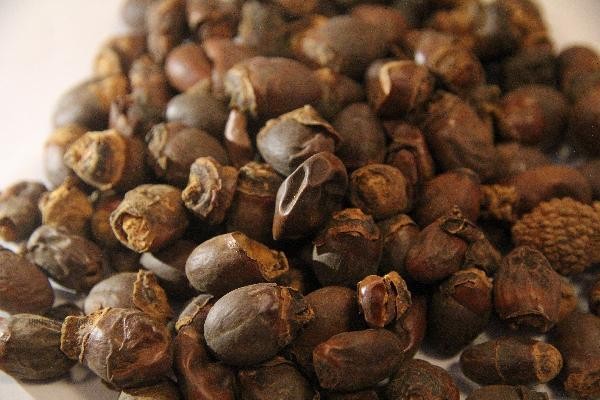
Depression with both heart and spleen deficiency is often characterized by palpitations, insomnia, forgetfulness, and frequent dreams. Tianwang Buxin Dan contains ingredients such as Danshen and Ziziphus jujujuba seeds, which can nourish the heart and mind, and provide peace of mind. Before going to bed, you can drink water soaked in cypress seeds and acacia bark to maintain a regular sleep routine and avoid excessive thinking.

Fourth, promoting blood circulation and removing blood stasis
Long term qi stagnation may lead to blood stasis, resulting in signs such as dull complexion and purple tongue texture. Xuefu Zhuyu Tang contains blood activating herbs such as peach kernels and red flowers, and is suitable for depression of qi stagnation and blood stasis type. Moderate exercise such as Ba Duan Jin can promote the circulation of qi and blood, but vigorous activity should be avoided.
V. acupuncture and moxibustion Therapy
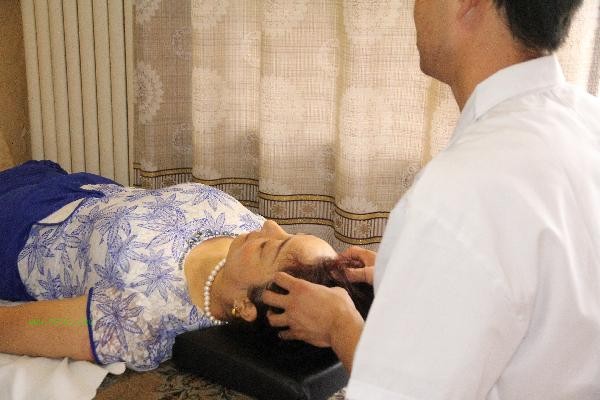
acupuncture and moxibustion selects Baihui, Yintang, Neiguan and other acupoints, which can adjust the balance of yin and yang and dredge the meridians. Ear acupressure selects reflex areas such as the divine gate, heart, and liver, making it convenient for patients to press on their own. The treatment needs to be performed by a professional physician, with 10-15 sessions per course of treatment. Patients with depression should maintain a relaxed mood, cultivate soothing interests in painting, calligraphy, gardening, etc., and their families should provide full understanding and support. The diet should be light and nutritious, with moderate consumption of calming foods such as walnuts and millet. If symptoms continue to worsen or suicidal tendencies occur, timely treatment with Western medicine should be sought. Traditional Chinese medicine conditioning should be maintained for 3-6 months, with regular follow-up visits to adjust the plan.





Comments (0)
Leave a Comment
No comments yet
Be the first to share your thoughts!