
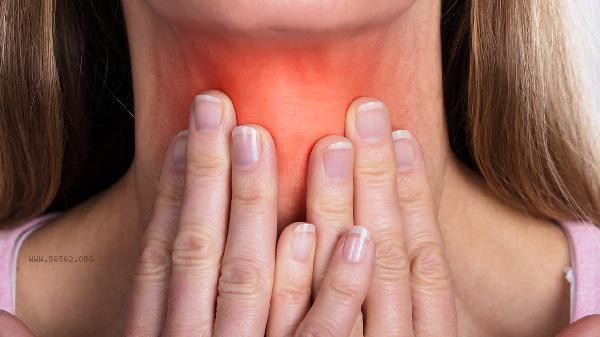
Bronchitis cough can be treated by Chinese herbal decoction, acupuncture and moxibustion therapy, cupping therapy, acupoint application, diet conditioning, etc. Bronchitis cough is often caused by external factors such as wind and cold, phlegm and dampness resistance, lung heat stagnation, qi and yin deficiency, and long-term lung injury.
1. Traditional Chinese Medicine Decoction
For the wind cold attacking lung type, Xiaoqinglong Decoction can be selected with modifications, containing ingredients such as ephedra and cassia twigs, which have the effect of relieving external heat and dispersing cold. The phlegm heat obstructing lung type is suitable for Qingjin Huatan Tang, which contains medicinal herbs such as Huangqin and Gualou, and can clear heat and phlegm. The Yin deficiency and lung heat type can be treated with Sha Shen Mai Dong Tang, which contains Sha Shen, Mai Dong, etc., and can nourish Yin and moisten the lungs. A prescription should be issued by a traditional Chinese medicine practitioner after differentiation of symptoms, avoiding self compatibility. It is recommended to use a clay pot to boil medicine over high heat and then slowly fry over low heat.
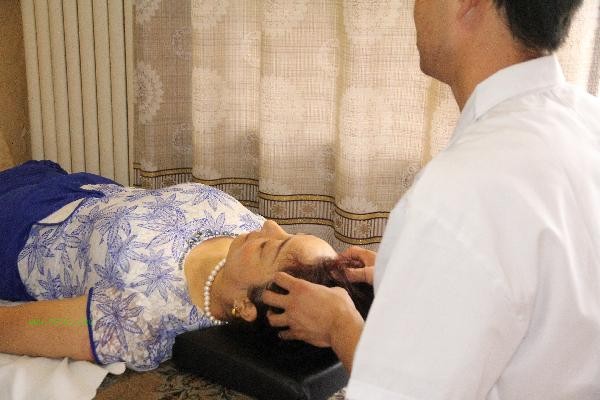
2. acupuncture and moxibustion therapy
The main points such as Feishu, Dingchuan and Tiantu are often selected in combination with Zusanli and Fenglong. For the wind cold type, moxibustion is added to the Dazhui acupoint, while for the phlegm heat type, bloodletting is added by needling the Shaoshang acupoint. Adopting the technique of tonifying and relieving diarrhea, keep the needle for 20 minutes, once a day. Acupuncture and moxibustion can regulate autonomic nervous function and relieve bronchospasm. People with skin infections or bleeding constitution should use it with caution and perform it under the guidance of a professional physician.
3. Cupping therapy [SEP]: Walking through the bladder meridian on the back can dispel wind and dispel cold, with a focus on keeping the cupping at the Fengmen and Feishu acupoints for 5 minutes. The phlegm dampness type is treated with needling and cupping, first using a plum blossom needle to prick and then cupping. After treatment, moxibustion can be used to enhance the therapeutic effect. Cupping can improve local blood circulation and promote the absorption of inflammation. Patients with skin ulcers and high fever should not use it. After cupping, pay attention to keeping warm and avoiding wind.
4. Acupoint application

Grind white mustard seeds, Asarum and other medicines into powder, and apply ginger juice to Tian Tu acupoint and Shan Zhong acupoint. Winter disease and summer treatment with Sanfu patches use warm yang drugs and apply them to acupoints such as Feishu and Gaoxian. Remove after 4 hours of application, discontinue immediately if skin allergies occur. The transdermal absorption of drugs can warm up the meridians and reduce coughing attacks. During the application period, avoid eating raw and cold foods, and use with caution in pregnant women and those with allergies.
5. Dietary adjustment
Ginger and jujube tea can be consumed for wind cold cough, and ginger and jujube can be boiled in water as a substitute for tea. Lung hot cough is suitable for snow pear Sichuan Fritillary Soup. Use snow pear and Sichuan Fritillary Mother to stew in water. It is recommended to use dried tangerine peel and job's tears porridge for cough due to phlegm, and use dried tangerine peel and job's tears to cook Congee. The diet should be light, avoiding spicy and stimulating flavors as well as rich and sweet flavors. Eat moderate amounts of lung moistening ingredients such as Tremella fuciformis and Lily, and maintain daily water intake. Patients with bronchitis and cough should pay attention to keeping warm and avoiding exposure to irritating factors such as oil fumes and cold air. Maintain ventilation in the room and keep the humidity between 40% and 60%. Moderately engage in soothing exercises such as Eight Section Brocade and Tai Chi to enhance lung function. Quit smoking and limit alcohol consumption, maintain a regular schedule, and ensure adequate sleep. If coughing persists for more than two weeks, or symptoms such as hemoptysis and difficulty breathing occur, it is necessary to seek medical attention promptly at a traditional Chinese medicine or respiratory department, and cooperate with modern medical examinations to rule out other lung diseases.





Comments (0)
Leave a Comment
No comments yet
Be the first to share your thoughts!