
The TCM treatment of anxiety and depression mainly includes Chinese medicine conditioning, acupuncture and moxibustion therapy, massage, emotion regulation, Qigong guidance, etc. Anxiety and depression in traditional Chinese medicine belong to the category of depression syndrome, which is often related to factors such as liver qi stagnation, insufficient qi and blood, and phlegm dampness resistance. Treatment should be based on individual constitution differentiation.
1. Traditional Chinese Medicine Regulation
Chaihu Shugan San, commonly used in traditional Chinese medicine, is modified to treat liver qi stagnation type depression syndrome. For patients with chest tightness and rib pain, Xiangfu and Yujin can be added; If it belongs to the type of heart and spleen deficiency, Guipi Tang combined with Ganmai Dazao Tang can strengthen the spleen and nourish the heart. The commonly used traditional Chinese patent medicines and simple preparations in clinical use include Jieyu Anshen Granules, Shugan Jieyu Capsules, Xiaoyao Pills, etc., which should be selected by doctors according to the syndrome differentiation of tongue and pulse. Those with yin deficiency and excessive fire may need Tianwang Buxin Pill, while those with phlegm heat disturbing the spirit should use Huanglian Wendan Decoction.
2. acupuncture and moxibustion therapy
Acupuncture at Baihui, Yintang, Neiguan, Taichong and other acupoints can soothe the liver and relieve depression, and the combination of Shenmen and Sanyinjiao can calm the nerves and resolve the mind. For those with liver stagnation and fire, add Xingjian acupoint, and for those with heart kidney failure, add Yongquan acupoint. Ear acupoints such as the Shenmen, subcortical, and heart areas are used to apply pressure to the Wang Bu Liu Xing seed, which is replaced twice a week. Moxibustion of Guan Yuan and Zu San Li is suitable for patients with insufficient yang qi. Each moxibustion lasts for 15 minutes to warm and replenish qi and blood.
3. Tuina massage
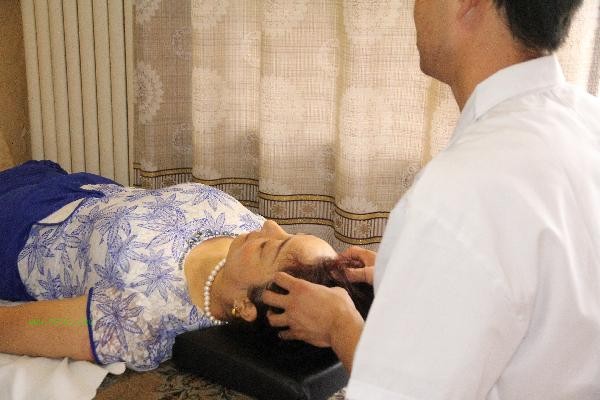
Daily massaging of the temple and Fengchi acupoints for 3 minutes each can relieve headaches and insomnia. Pushing and applying along the intercostal space to the Qimen and Zhangmen acupoints can soothe the liver and regulate qi. The bladder meridian can improve the circulation of qi and blood, with a focus on the liver and heart meridians. Rubbing the Yongquan acupoint 100 times before bedtime can help to ignite the fire and restore the essence, and when combined with combing the hair with the five fingers, it can relax the nerves. Limb tremors can release tension through spontaneous tremors.

4. Emotional regulation
According to the theory of the five elements' mutual victory, the victory of thoughts over fears can be transferred through calligraphy and painting, and the appropriate release of anger over thoughts can break through excessive thinking. Establishing a habit of morning exercises during the Mao hour can help to increase yang energy, while sitting quietly during the Shen hour to regulate breath can help to calm the mind. Avoid watching horror movies and TV shows, and have more exposure to natural flowers, plants, and trees. Cultivate slow paced hobbies such as planting and tea ceremony, and improve psychological state through empathy.
5. Qigong guidance
The Eight Section Brocade technique of shaking the head and tail to reduce heart fire, and using both hands to climb the feet and strengthen the kidneys and waist have targeted effects on depression and anxiety. Practice for 20 minutes daily. In the Six Character Formula, the "Shh" formula is used to calm liver qi, while the "Ha" formula is used to relieve heart fire. When combined with abdominal breathing, it has a better effect. When standing at the stake, guarding the dantian can cultivate and replenish vitality, gradually extending the time by 10 minutes each time in the initial stage. The combination of Tai Chi cloud hand movements and breathing can coordinate the body and mind. It is recommended to learn systematically under the guidance of professional personnel. Traditional Chinese medicine treatment requires a course of at least 3 months, during which a regular schedule should be maintained to avoid staying up late and damaging the yin. Diet should be light and avoid spicy and fried foods. Moderate consumption of calming and calming ingredients such as lilies, lotus seeds, and yams is recommended. Taking a walk for at least 30 minutes daily promotes the circulation of qi and blood, but avoids strenuous exercise that consumes energy. Record emotional changes in the diary during treatment and regularly follow up to adjust the plan. If persistent insomnia or negative thoughts occur, seek professional psychological intervention in a timely manner.






Comments (0)
Leave a Comment
No comments yet
Be the first to share your thoughts!