
Male physical examination can generally check for HPV. Although HPV screening is more commonly used in the prevention of cervical cancer in women, men can also be infected with HPV and cause related diseases such as genital warts, penile cancer, or oropharyngeal cancer. HPV infection is more common in men, mostly transmitted through sexual contact. Some males may have no obvious symptoms after infection, but the incubation period of the virus is still contagious. If symptoms such as genital warts, itching, or ulcers occur, it is recommended to undergo HPV testing. Persistent high-risk HPV infection in men's perianal or oral areas is associated with the risk of anal cancer and oropharyngeal cancer. Specific high-risk populations such as those with low immune function and men who have sex with men may consider regular screening. At present, the testing methods include acetic acid white test, cytological examination, and HPV-DNA typing test. Specific items need to be evaluated by doctors based on clinical manifestations.
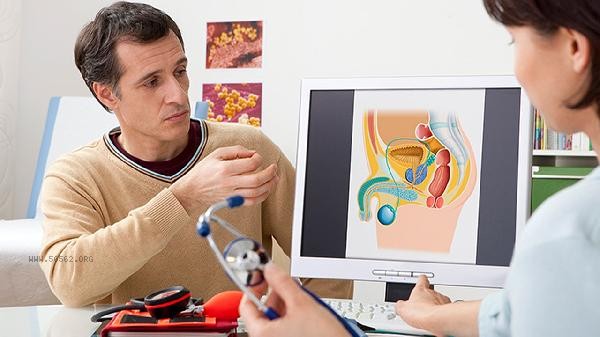
The routine male physical examination package usually does not include HPV testing. If there is a suspected disease or a history of high-risk exposure, it should be raised proactively. Men whose partners are diagnosed with HPV infection are recommended to undergo screening even if they are asymptomatic. Some medical institutions provide male HPV vaccination services, and preventive measures can be consulted based on test results. Maintaining a single sexual partner and using condoms correctly can help reduce the risk of HPV infection. Avoid sharing items such as razors that may come into contact with mucous membranes. If there is abnormal growth in the genital area, medical attention should be sought in a timely manner to avoid self treatment and the spread of the virus. Avoid local medication or sexual activity for 3 days before the physical examination to avoid affecting the accuracy of the test.










Comments (0)
Leave a Comment
No comments yet
Be the first to share your thoughts!