
Traditional Chinese medicine treatment for gallbladder polyps usually cannot completely eliminate the polyps, but it can help alleviate symptoms and delay the progression of the disease. The treatment methods of gallbladder polyps mainly include Chinese medicine conditioning, acupuncture and moxibustion therapy, diet intervention, emotional regulation, regular review, etc. It is recommended that patients evaluate the nature of polyps through Western medicine examinations and consider surgical intervention if necessary.
1. Traditional Chinese Medicine Regulation
Traditional Chinese medicine believes that gallbladder polyps are often related to liver and gallbladder damp heat, qi stagnation and blood stasis, and commonly uses formulas such as Chaihu Shugan San and Dachaihu Tang to soothe the liver and promote bile flow. Among them, herbs such as goldenrod and Artemisia scoparia can help promote bile excretion, but their effect on dissolving formed polyp tissue is limited. It should be noted that traditional Chinese medicine should be taken continuously for a long time and may cause side effects such as gastrointestinal discomfort.
2. acupuncture and moxibustion therapy
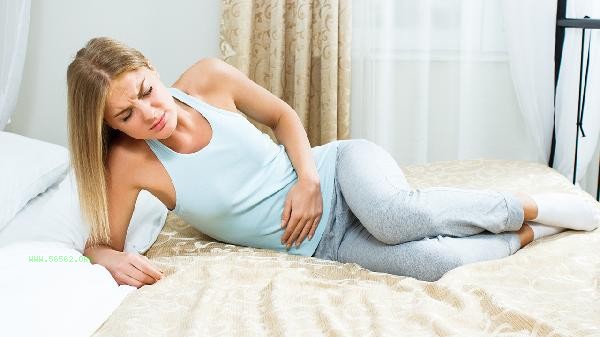
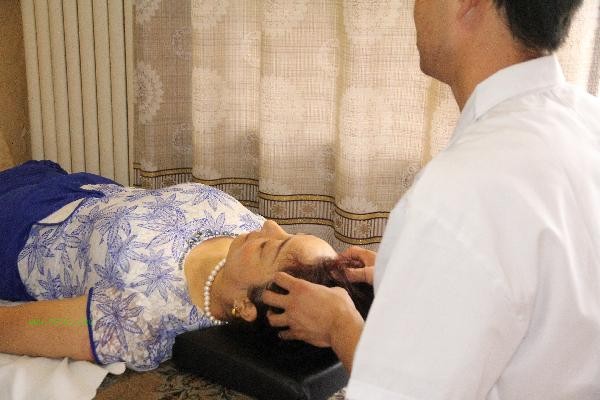
Acupuncture at Danshu, Yanglingquan and other acupoints can adjust the liver and gallbladder function, and improve the symptoms such as right upper abdominal pain and abdominal distension. Electroacupuncture is often used in clinical practice to enhance stimulation, but it has no significant regression effect on polyps or adenomatous polyps larger than 10 millimeters. Individuals with weak physical constitution may experience dizziness and need to be operated by professional physicians.
3. Dietary Intervention
Traditional Chinese Medicine emphasizes avoiding greasy and spicy foods to reduce the endogenous dampness and heat, and recommends ingredients such as yam and Job's tears to invigorate the spleen and dispel dampness. Although dietary adjustments cannot eliminate polyps, they can reduce the risk of cholecystitis attacks. Excessive restriction of fat intake should be avoided, which can lead to a deficiency of fat soluble vitamins.
4. Emotional regulation
Emotional dysfunction is considered a trigger for liver and gallbladder diseases, and anxiety and depression can be alleviated through five tone therapy, guidance techniques, and other methods. This method has a certain auxiliary effect on preventing polyp enlargement, but cannot change the existing pathological structural changes. Comprehensive intervention with other treatment methods is required.
5. Regular follow-up
During traditional Chinese medicine treatment, ultrasound examination should still be performed every 3-6 months to monitor changes in polyp size. For rapidly growing polyps or those with symptoms of bile duct obstruction, it is necessary to promptly switch to Western medicine to evaluate whether laparoscopic cholecystectomy should be performed. Traditional Chinese medicine is more suitable as an auxiliary management method for cholesterol polyps with a diameter less than 5 millimeters. Patients with gallbladder polyps should maintain a regular daily routine and avoid staying up late and overexertion. Moderate consumption of medicinal and edible ingredients such as hawthorn and tangerine peel, which have the effect of soothing the liver and regulating qi, is recommended in terms of diet, but total calorie intake should be controlled. It is recommended to engage in 30 minutes of soothing exercises such as Tai Chi or Eight Section Brocade daily to promote the circulation of qi and blood. If symptoms such as persistent abdominal pain and jaundice occur, seek medical attention immediately to rule out the possibility of malignant lesions. The combination of traditional Chinese and Western medicine can comprehensively manage gallbladder polyps, but the final treatment plan needs to be developed by a professional medical team based on the nature and individual situation of the polyps.



Comments (0)
Leave a Comment
No comments yet
Be the first to share your thoughts!