
The choice of traditional Chinese medicine or Western medicine for patients with nephritis should be determined based on the stage of the disease and individual differences. It is recommended to prioritize Western medicine treatment during acute attacks or severe kidney function damage, and consider traditional Chinese medicine intervention during chronic adjustment or mild symptoms.
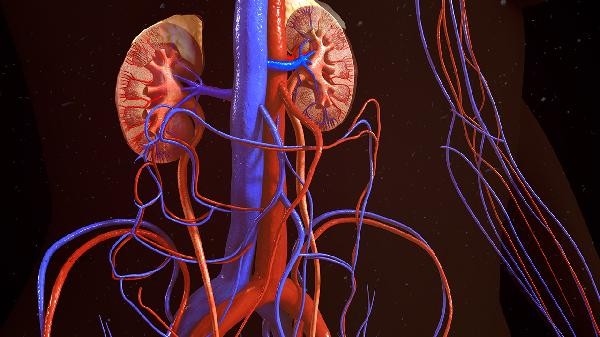
Western medicine treatment for nephritis has the advantage of precise diagnosis and rapid control of the condition. Pathological types are identified through techniques such as urine routine, blood biochemistry, and renal biopsy. Antibiotics such as cefepime tablets and levofloxacin tablets are used to control infection in infectious nephritis. Glucocorticoids such as acetate prednisolone tablets combined with immunosuppressants such as cyclophosphamide tablets are used to regulate immune response in immune nephritis. In severe renal failure, hemodialysis or peritoneal dialysis is used as an alternative treatment. The Western medicine regimen has a fast onset and clear efficacy indicators, especially suitable for severe conditions such as acute nephritis and nephrotic syndrome. However, long-term use of hormones or immunosuppressants may cause side effects such as osteoporosis and increased risk of infection.
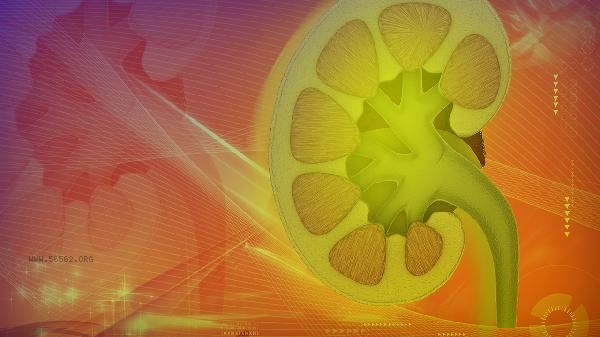
Traditional Chinese medicine treatment focuses on overall conditioning and symptom relief. Different schemes are adopted through syndrome differentiation and typing. For the syndrome of feng shui, Yuemaijiashu Decoction is used to add wind reducing and diuretic. For the syndrome of spleen and kidney qi deficiency, Shenling Baizhu Powder and Yougui Pill are used to invigorate the spleen and kidney. For the syndrome of damp heat accumulation, Bazheng Powder is used to clear heat and promote dampness. Combined with acupuncture and moxibustion, Shenshu, Sanyinjiao and other acupoints are selected to improve edema. Traditional Chinese medicines such as Astragalus membranaceus and Poria cocos can regulate immune function with minimal side effects, making them suitable for the stable phase of chronic nephritis or the consolidation stage after Western medicine treatment. However, their effectiveness is slow and lacks quantifiable efficacy standards, resulting in limited intervention effects for acute and severe cases. Patients with nephritis should regularly monitor their blood pressure, urinary protein, and renal function indicators to avoid a high salt and high protein diet that increases the burden on the kidneys. Moderate low-intensity exercise such as Ba Duan Jin should be performed to improve blood circulation. Regardless of the treatment method chosen, individualized plans should be developed under the guidance of professional doctors. In the acute phase, timely medical treatment should be sought to control the progression of the disease, and in the remission phase, a combination of traditional Chinese and Western medicine can be used to maintain stable renal function.





Comments (0)
Leave a Comment
No comments yet
Be the first to share your thoughts!