
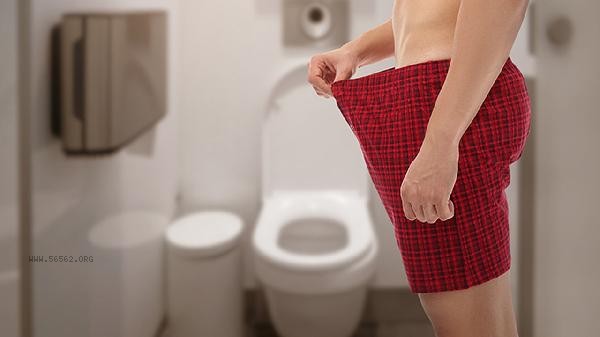
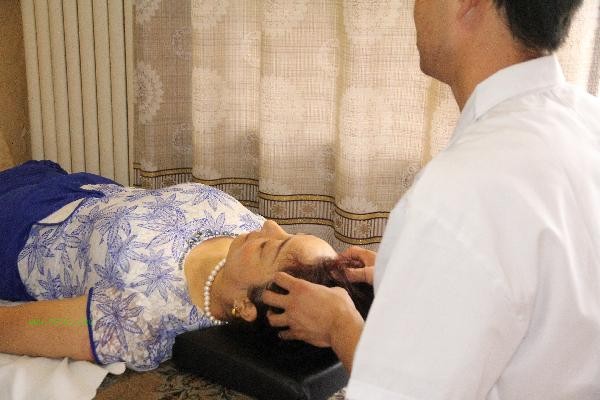
The treatment selection of prostatitis should be based on the characteristics of the condition. Western medicine is usually better for acute bacterial prostatitis, while traditional Chinese medicine can be prioritized for chronic non bacterial prostatitis. Western medicine mainly uses antibiotics such as levofloxacin tablets and cefuroxime dispersible tablets to treat acute bacterial prostatitis, which can quickly control infection and alleviate symptoms of frequent urination and urgency. For severe cases accompanied by fever, intravenous administration has a more significant effect. The treatment cycle of Western medicine is short, but it may cause gastrointestinal discomfort or drug resistance. TCM treatment of chronic prostatitis emphasizes overall conditioning. traditional Chinese patent medicines and simple preparations, such as Qianlieshutong capsule and Longbishu capsule, are commonly used to improve local circulation in combination with acupuncture and moxibustion and sitz bath. Traditional Chinese medicine takes effect slowly but has minimal side effects. It has a stable effect on recurrent perineal swelling and pain, as well as urinary incontinence. Some patients adopt a combination of traditional Chinese and Western medicine, such as antibiotics combined with traditional Chinese medicine for clearing heat and dampness, which can shorten the course of treatment and reduce recurrence.

Western medical examination methods such as prostate fluid routine and bacterial culture can clarify the cause and are suitable for infection cases that require precise treatment. Traditional Chinese Medicine (TCM) syndrome differentiation and classification, such as damp heat stagnation, qi stagnation, and blood stasis, can guide individualized medication and are suitable for symptoms mainly characterized by functional disorders. Western medicine treatment costs are relatively transparent but require frequent follow-up examinations, while traditional Chinese medicine has lower long-term conditioning costs but significant differences in efficacy. Young patients with pain can try traditional Chinese medicine, while middle-aged and elderly patients with a tendency towards infection need Western medicine intervention. Regardless of the method chosen, it is important to avoid prolonged sitting and spicy eating. Moderate warm water sitz baths can help alleviate symptoms. Patients with prostatitis should maintain a regular daily routine and drink at least 2000 milliliters of diluted urine per day. Avoid alcohol and caffeine stimulation, and perform anal sphincter exercises to enhance pelvic floor muscle function. Regular follow-up prostate ultrasound during treatment, if hematuria or high fever occurs, seek medical attention immediately. Diet can moderately increase foods rich in zinc and antioxidants such as pumpkin seeds and tomatoes, but it cannot replace regular treatment.





Comments (0)
Leave a Comment
No comments yet
Be the first to share your thoughts!