
The choice of traditional Chinese medicine or Western medicine for chronic prostatitis needs to be determined based on the specific condition. For patients with acute attacks or bacterial infections, Western medicine is preferred. For chronic non bacterial inflammation or physical conditioning, traditional Chinese medicine treatment is more suitable.

Western medicine has significant advantages in treating acute bacterial prostatitis. Antibiotics such as levofloxacin tablets and azithromycin dispersible tablets can quickly control infection, and when combined with nonsteroidal anti-inflammatory drug celecoxib capsules, can alleviate pain. For chronic non bacterial prostatitis, Western medicine uses alpha receptor blocker tamsulosin hydrochloride sustained-release capsules to improve urinary symptoms, and physical therapy such as prostate massage can promote the elimination of inflammatory substances. Western medicine treatment has clear goals and quick effects, but there may be issues with antibiotic resistance, and long-term use of drugs may cause side effects such as dizziness. Traditional Chinese Medicine classifies this disease as "seminal turbidity" and has unique therapeutic effects on chronic non bacterial prostatitis. For damp heat type, Bazheng San can be modified, for qi stagnation and blood stasis type, Prostate Decoction can be modified, and for kidney deficiency type, Zhibai Dihuang Pill is commonly used. Acupuncture and moxibustion points such as Huiyin and Guanyuan were selected to improve local circulation, and traditional Chinese medicine enema was used to direct drugs to the hospital. Traditional Chinese medicine emphasizes overall regulation and has minimal side effects, but the effect is slow and requires a 1-3 month course of treatment. It has weak control over acute infections and inaccurate tongue and pulse differentiation may affect the efficacy.
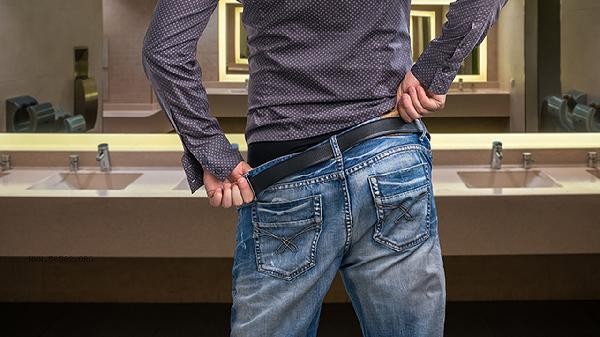
In the early stages of the disease, it is recommended to go to the urology department to complete prostate fluid examination and clarify the type of infection. During the treatment period, avoid riding bicycles for a long time, take a 20 minute sitz bath with warm water every day, and avoid spicy alcohol in your diet. In the acute phase, Western medicine should be prioritized to control symptoms, while in the chronic phase, traditional Chinese medicine can be used for regulation. In severe cases, a combination of traditional Chinese and Western medicine can be adopted. No matter which treatment method is chosen, it is necessary to standardize medication under the guidance of a doctor, regularly review and adjust the plan, and cooperate with moderate exercise to improve pelvic blood circulation.





Comments (0)
Leave a Comment
No comments yet
Be the first to share your thoughts!