
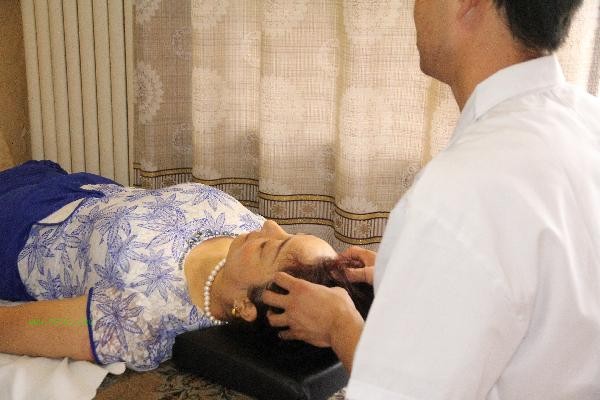
Traditional Chinese medicine has a certain auxiliary effect in treating hypertension in some cases, but it cannot replace standardized Western medicine antihypertensive treatment. Traditional Chinese medicine can help control blood pressure by improving physical fitness and relieving symptoms, but for patients with moderate to severe hypertension, Western medicine medication is still the main treatment. Hypertension, as a chronic disease, requires long-term comprehensive management. Traditional Chinese medicine treatment is mainly suitable for early mild hypertension or synergistic regulation after Western medicine treatment. Traditional Chinese medicine believes that hypertension is related to physical imbalances such as liver and kidney yin deficiency, liver yang hyperactivity, and phlegm dampness resistance. Traditional Chinese medicine decoctions such as Tianma Gouteng Yin and Zhengan Xifeng Tang can calm the liver and promote yang; The selection of Taichong, Fengchi and other acupoints in acupuncture and moxibustion is helpful to dredge the meridians; Ear acupressure regulates autonomic nervous system function; Traditional exercises such as Tai Chi and Ba Duan Jin can regulate the circulation of qi and blood. These methods have a significant effect on relieving symptoms such as headache and dizziness, especially suitable for blood pressure fluctuations caused by excessive sympathetic nervous system excitation.

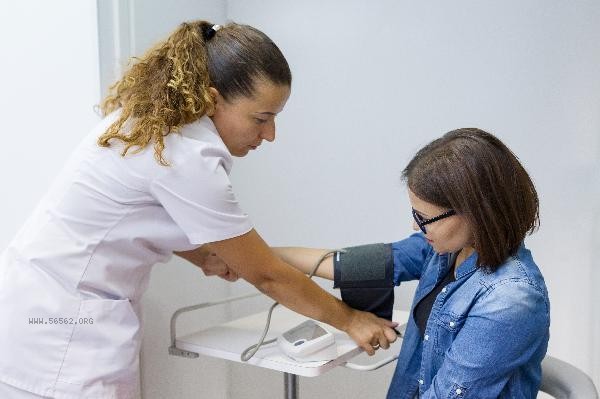
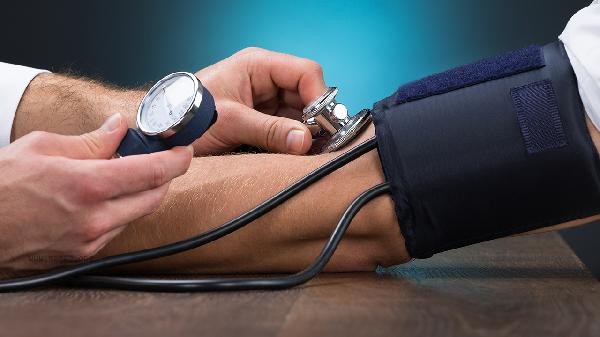
It should be noted that traditional Chinese medicine has significant limitations in lowering blood pressure. Traditional Chinese medicine has a slow onset and limited range of blood pressure reduction, making it difficult to cope with sudden increases in blood pressure; Lack of quantitative standards for therapeutic efficacy and significant individual differences; Some traditional Chinese medicines containing ingredients such as ephedra and aconite may cause an increase in blood pressure. For patients with grade 2 or above hypertension or combined target organ damage, modern antihypertensive drugs such as calcium antagonists and ACEIs must be given priority. Traditional Chinese medicine and Western medicine should be taken with a 2-hour interval to avoid drug interactions. When hypertensive patients choose traditional Chinese medicine treatment, they should go to the cardiovascular department of a regular traditional Chinese medicine hospital for diagnosis and treatment by physicians, and avoid taking folk remedies on their own. It is recommended to monitor blood pressure in the morning and before bedtime every week. If the blood pressure exceeds 140/90mmHg for three consecutive days or symptoms such as blurred vision and chest pain occur, seek medical attention immediately. In daily life, it is necessary to limit salt intake, control weight, and maintain emotional stability. Traditional Chinese medicine should be used as a supplement to standardized treatment rather than a substitute.





Comments (0)
Leave a Comment
No comments yet
Be the first to share your thoughts!