
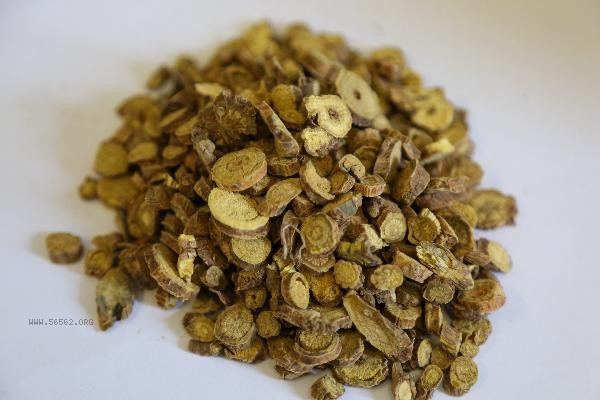
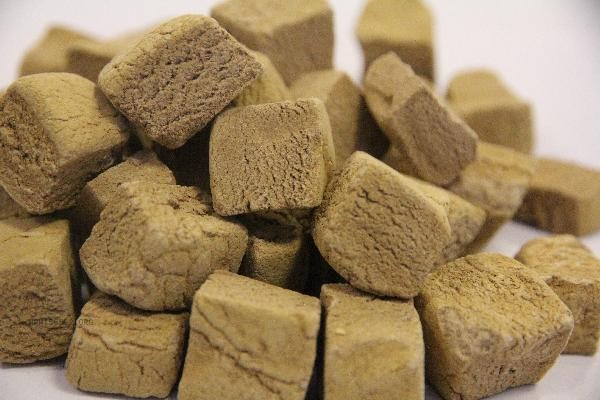
Traditional Chinese medicine treatment may have some effect on 10mm pulmonary nodules, but it needs to be evaluated based on specific conditions. Pulmonary nodules may be related to factors such as infection, inflammation, benign tumors, or early lung cancer. Traditional Chinese medicine treatment is usually used as an auxiliary method, and a plan should be developed by a professional physician after a clear diagnosis. For infectious or inflammatory pulmonary nodules, traditional Chinese medicine may help alleviate symptoms through methods such as clearing heat and detoxifying, resolving phlegm and dispersing nodules. Commonly used formulas such as modified Sangju Yin can improve cough and low-grade fever associated with wind heat invading pulmonary nodules, while Xuefu Zhuyu Tang is suitable for qi stagnation and blood stasis nodules with chest pain symptoms. Some studies have shown that traditional Chinese medicine ingredients such as Prunella vulgaris and Fritillaria thunbergii have the potential to inhibit nodule growth, but the effect needs to be observed after continuous medication for several months. For tuberculous nodules, the combination of traditional Chinese medicine and anti tuberculosis drugs can reduce drug side effects and improve treatment tolerance. If the pulmonary nodule is a malignant tumor or has malignant characteristics, traditional Chinese medicine treatment alone is difficult to achieve a curative effect. When ground glass nodules are accompanied by imaging features such as lobulation and spiculation, Western medicine surgery or biopsy should be prioritized. Traditional Chinese medicine mainly plays a role in regulating immune function and reducing the side effects of radiotherapy and chemotherapy in tumor treatment. For example, Huangqi injection can improve postoperative Qi deficiency symptoms, but attention should be paid to the possible interaction between traditional Chinese medicine and targeted drugs. During follow-up, if nodules increase in size or density, they should be promptly referred to thoracic surgery. Patients with pulmonary nodules should quit smoking and avoid exposure to secondhand smoke, and maintain a well ventilated living environment. Regular sleep patterns can help enhance immunity, and traditional health practices such as Ba Duan Jin can be practiced moderately. The diet should be light, with moderate consumption of lung moistening ingredients such as lilies and Tremella fuciformis, and avoiding spicy and stimulating foods. It is recommended to have a chest CT scan every 3-6 months to dynamically observe changes in nodules. If symptoms such as hemoptysis and persistent chest pain occur during treatment, immediate medical attention should be sought. The combination of traditional Chinese and Western medicine treatment should be carried out under the joint guidance of respiratory and traditional Chinese medicine physicians, and folk remedies should not be taken by oneself.





Comments (0)
Leave a Comment
No comments yet
Be the first to share your thoughts!