
Traditional Chinese medicine treatment may have some effect on 10mm pulmonary nodules, but it needs to be comprehensively evaluated based on the nature of the nodules. Pulmonary nodules may be related to inflammation, tuberculosis, tumor and other factors. Traditional Chinese medicine treatment is mainly applicable to benign nodules or postoperative conditioning. Malignant nodules still need to give priority to surgery, radiotherapy and chemotherapy. Common intervention methods include Chinese herbal decoction conditioning, acupuncture and moxibustion, acupoint application, dietotherapy, Qigong guidance, etc.
1. Traditional Chinese Medicine Soup
Traditional Chinese medicine believes that lung nodules are often related to the combination of phlegm and blood stasis. According to medical advice, blood activating and stasis removing formulas such as Xuefu Zhuyu Tang or heat clearing and detoxifying formulas such as Qianjin Weigan Tang can be used. Some patients may experience gastrointestinal discomfort after taking medication and require the combination of spleen strengthening drugs. It should be noted that the treatment course of traditional Chinese medicine is relatively long, and regular CT scans should be conducted to observe changes in nodules during the period of use.
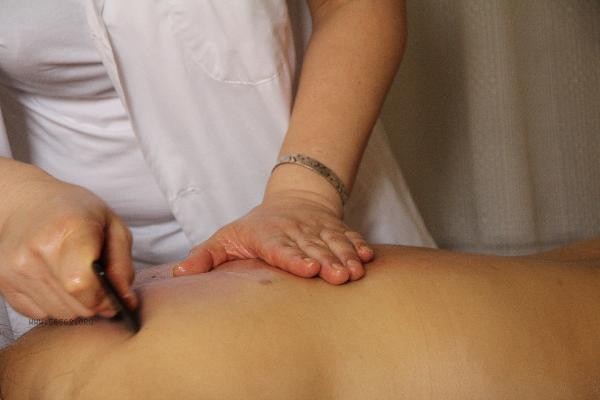
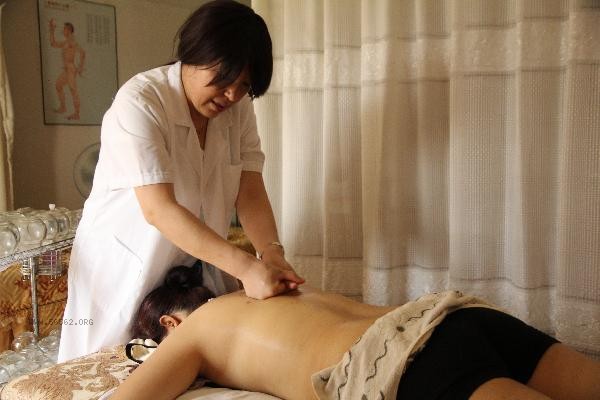
2. acupuncture and moxibustion therapy
Acupuncture or moxibustion at Feishu, Tanzhong and other points is helpful to improve the pulmonary blood circulation. For inflammatory or tuberculous nodules, combination with anti infective treatment can enhance the therapeutic effect. Acupuncture and moxibustion needs to be operated by a professional doctor. It is treated 2-3 times a week, and 10 times is a course of treatment.
3. Acupoint application
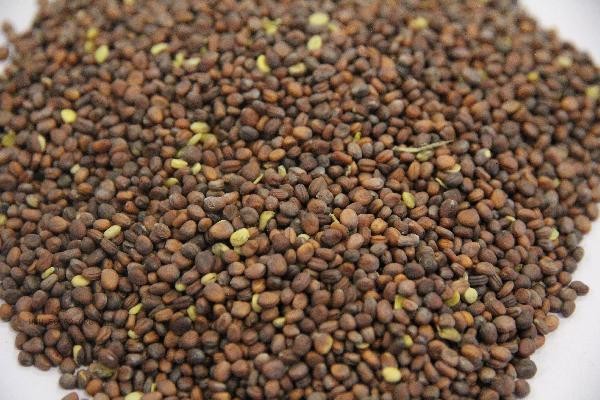
A paste made from medicines such as mustard seed and Asarum is applied to acupoints on the back, which is absorbed by the skin and has the effect of resolving phlegm and dispersing nodules. This method is suitable for elderly patients with weak constitution, but it is contraindicated for those with skin allergies. The application time should not exceed 4 hours. If there is skin itching, it should be stopped immediately.
4. Dietetic therapy
It is recommended to take lily Broth of white fungus soup to moisten the lungs and nourish yin, or stew Zhejiang fritillaria with pears to dissipate phlegm. Avoid spicy and greasy foods. People with phlegm dampness constitution can drink Chenpi Pu'er tea in moderation. Dietary adjustments need to be maintained for a long time, and combined with moderate aerobic exercise for better results.
5. Qigong guidance
Practice traditional techniques such as Eight Section Brocade and Six Character Formula to improve lung function by regulating breath and breathing. Rehabilitation exercises suitable for stable nodules require maintaining a well ventilated environment and adjusting the range of movements according to physical fitness. Patients with severe cardiovascular and pulmonary diseases should undergo treatment under the guidance of a physician. During traditional Chinese medicine treatment, chest CT should be rechecked every 3-6 months. If nodules enlarge or malignant features such as spiculation appear, timely referral to thoracic surgery is necessary. Smoking cessation and avoidance of secondhand smoke are necessary in daily life. Pay attention to keeping warm to prevent respiratory infections and maintain a regular daily routine. Traditional Chinese medicine conditioning needs individualized syndrome differentiation, and it is not recommended to take folk prescription or traditional Chinese patent medicines and simple preparations by yourself.





Comments (0)
Leave a Comment
No comments yet
Be the first to share your thoughts!