
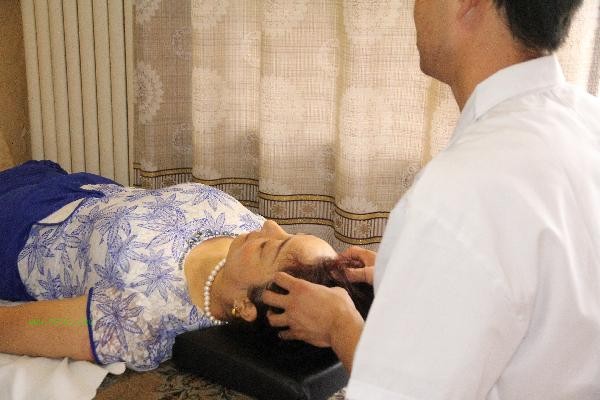
Traditional Chinese medicine has a certain auxiliary effect on hypertension, but it cannot replace antihypertensive drugs. Hypertension patients can cooperate with traditional Chinese medicine, acupuncture and moxibustion and other Chinese medicine treatments under the guidance of doctors, while adhering to standardized medication and lifestyle intervention. Traditional Chinese Medicine categorizes hypertension as dizziness, headache, and other symptoms, and believes that it is related to factors such as liver and kidney yin deficiency, liver yang hyperactivity, and phlegm dampness resistance. Common conditioning methods include Tianma Gouteng Yin, Zhengan Xifeng Tang and other formulas, which can help calm the liver and reduce yang, nourish yin and lower fire. Acupuncture and moxibustion points such as Taichong and Fengchi can help regulate the circulation of qi and blood. Some patients have reported that symptoms such as dizziness and insomnia have been alleviated after traditional Chinese medicine treatment. However, existing research shows that the antihypertensive effect of traditional Chinese medicine varies greatly among individuals, and achieving blood pressure standards still relies on Western medicine.

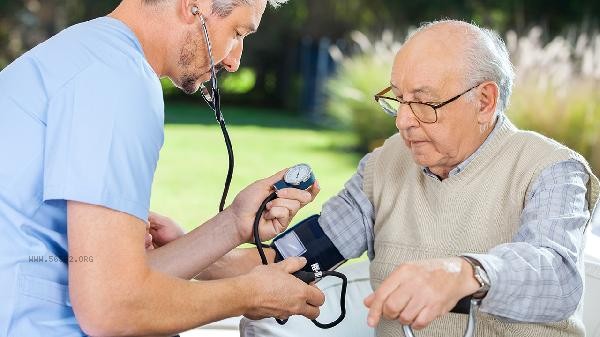
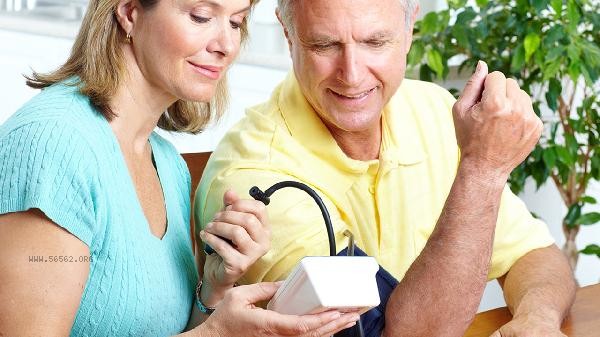
It should be noted that some Chinese medicines containing liquorice and ephedra may cause water and sodium retention, which is adverse to blood pressure control. Blindly supplementing without differentiation of symptoms may worsen the condition, such as mistakenly taking red ginseng for patients with liver yang hyperactivity, which can lead to a sudden increase in blood pressure. Common clinical patients may experience cardiovascular and cerebrovascular accidents due to excessive dependence on traditional Chinese medicine and discontinuation of antihypertensive drugs. When hypertensive patients adopt traditional Chinese medicine regulation, they must regularly monitor their blood pressure and keep medication records. It is recommended to measure resting blood pressure in the morning three times a week, and bring recent blood pressure data for reference by Chinese physicians when seeking medical attention. You can practice soothing exercises such as Eight Section Brocade and Tai Chi in daily life, avoid high salt and high-fat diet, and maintain a daily salt intake of 6-8 grams. If there are persistent symptoms of target organ damage such as headache and blurred vision, immediate medical attention should be sought to adjust the treatment plan.





Comments (0)
Leave a Comment
No comments yet
Be the first to share your thoughts!