
TCM treatment of tenosynovitis mainly includes external application of traditional Chinese medicine, acupuncture and moxibustion, massage, small needle knife therapy, functional exercise, etc. Tenosynovitis is usually caused by factors such as strain, trauma, invasion of wind, cold, and dampness, and is characterized by local pain, limited mobility, and other symptoms.
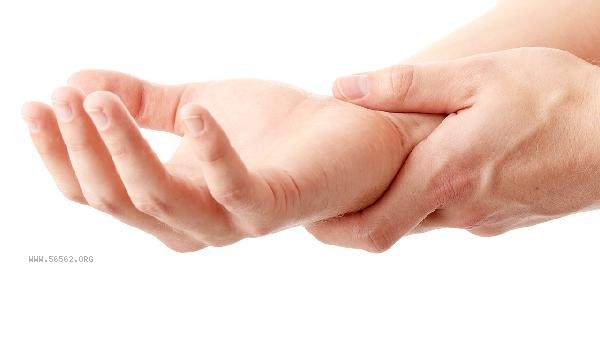
1. External application of traditional Chinese medicine
can be made from Chinese herbal medicines that promote blood circulation and remove blood stasis, such as pain relieving plaster, musk bone strengthening ointment, etc., and applied to the affected area. External medication can penetrate through the skin directly to the lesion, relieving local inflammation and swelling. Cold pain can be treated with a combination of Chuan Wu and Cao Wu that warm the meridians and dispel cold; Hot redness and swelling can be treated with heat clearing and detoxifying substances such as Huangbai and Dahuang. Pay attention to skin allergic reactions when applying externally, and stop immediately if itching or rash occurs.
2. acupuncture and moxibustion treatment
Select Ashi point and nearby meridian points for acupuncture, and commonly used points include Yangxi, Hegu, Waiguan, etc. Acupuncture and moxibustion can dredge the qi and blood of meridians and reduce the friction between tendons and tunica vaginalis. It can be combined with electroacupuncture to enhance stimulation, or warm needle moxibustion can be used to remove cold and dampness. During the acute phase, once a day, 5-7 times are considered as one course of treatment. During treatment, excessive movement of the affected area should be avoided.
3. Tuina techniques
release adhered tendon sheath tissue through kneading, plucking, and other techniques. First, use gentle techniques to relax the forearm muscles, then focus on massaging the tender points at the affected area, and finally perform passive wrist flexion and extension movements. Tuina can improve local blood circulation, but it is not advisable to use forceful manual therapy during acute redness and swelling. During operation, the force should be uniform and moderate to avoid aggravating the damage.
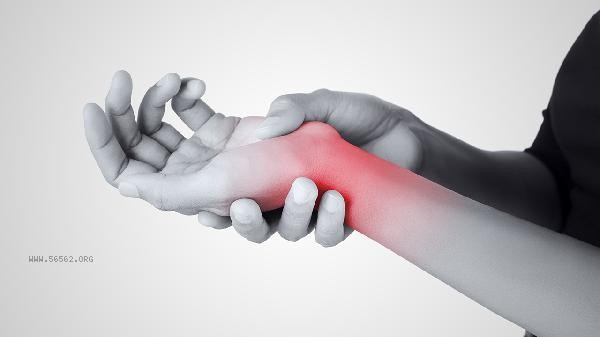
4. Small needle knife therapy
uses a specially designed needle knife to peel off the adhesion of the tendon sheath under local anesthesia, which is suitable for refractory tenosynovitis. This therapy can directly release the compressed tendons, and postoperative combination with traditional Chinese medicine fumigation can prevent recurrence. It needs to be operated by professional physicians, strictly disinfected to avoid infection. Keep the wound dry for 3 days after surgery and avoid forceful grasping movements for 2 weeks.
5. Functional exercise
After the inflammation is relieved, rehabilitation training such as wrist flexion, extension, rotation, etc. should be carried out, such as grip ball exercises, rubber band resistance exercises, etc. Exercise should be done gradually, with the aim of not causing significant pain. It can be used in conjunction with boiling mugwort leaves to fumigate and wash the affected area, promoting local metabolism. Pay attention to balancing work and rest in daily life, avoid prolonged repetitive wrist movements, and use wrist guards to reduce tendon friction. Traditional Chinese medicine emphasizes the combination of overall regulation and local intervention in the treatment of tenosynovitis. The acute phase focuses on anti-inflammatory and analgesic effects, while the chronic phase emphasizes functional recovery. It is recommended to comprehensively use 2-3 therapies under the guidance of a physician, and avoid inducing movements such as lifting heavy objects and twisting towels during the treatment period. Diet can moderately increase ingredients such as yam and black beans that invigorate the spleen and promote dampness, and avoid eating raw, cold, and spicy foods. If conservative treatment is ineffective for 3 months or if tendon compression occurs, Western surgical treatment should be considered.





Comments (0)
Leave a Comment
No comments yet
Be the first to share your thoughts!