
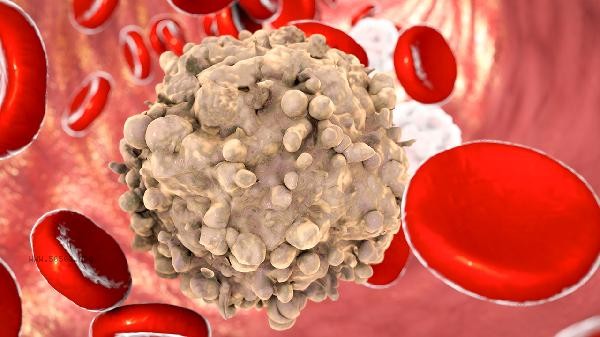
Elevated white blood cells may be related to staying up late. Long term staying up late may lead to weakened immunity, which in turn can cause abnormal white blood cell counts. Elevated white blood cells may also be related to factors such as infection, inflammation, and blood system diseases. It is recommended to seek medical examination in a timely manner. Staying up late can disrupt the body's biological clock and affect the normal function of the immune system. When sleep is insufficient, the body releases more stress hormones, which may stimulate the bone marrow to produce more white blood cells. Meanwhile, staying up late can lead to a decrease in the body's resistance and an increased risk of latent infections, which is also a common cause of leukocytosis. For people who stay up late for a long time, their white blood cell count may slightly increase, but it usually gradually returns to normal after improving sleep. Besides staying up late, bacterial or viral infections are the main cause of leukocytosis. When pathogens invade the human body, the immune system mobilizes more white blood cells to participate in defense. Certain inflammatory diseases such as rheumatoid arthritis and inflammatory bowel disease can also lead to elevated white blood cells. Hematological diseases such as leukemia and myeloproliferative disorders can directly cause abnormal proliferation of white blood cells. Drug factors such as the use of glucocorticoids may also interfere with white blood cell counts.

If high white blood cell count is found, it should be judged comprehensively in combination with other examination indicators. It is recommended to maintain a regular schedule, avoid staying up late, and ensure 7-8 hours of sleep every day. Eat more foods rich in vitamin C and high-quality protein, such as citrus fruits, lean meat, etc. Avoid overexertion and engage in aerobic exercise appropriately. If white blood cells continue to be abnormal or accompanied by symptoms such as fever and fatigue, it is necessary to seek medical attention at a hematology or internal medicine department as soon as possible, complete blood routine, peripheral blood smear, bone marrow puncture and other examinations to clarify the cause.









Comments (0)
Leave a Comment
No comments yet
Be the first to share your thoughts!