
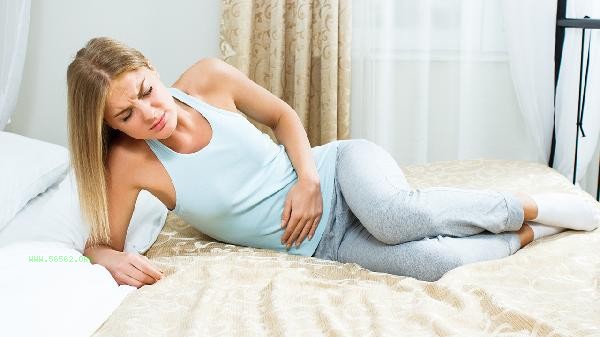
Traditional Chinese medicine mainly treats gout by taking Chinese medicine orally, acupuncture and moxibustion therapy, cupping therapy, external application of Chinese medicine, diet conditioning and other methods. Gout is often caused by damp heat accumulation, phlegm and blood stasis obstruction, spleen and kidney deficiency, etc., manifested as symptoms such as joint redness, swelling, heat pain, and restricted movement.
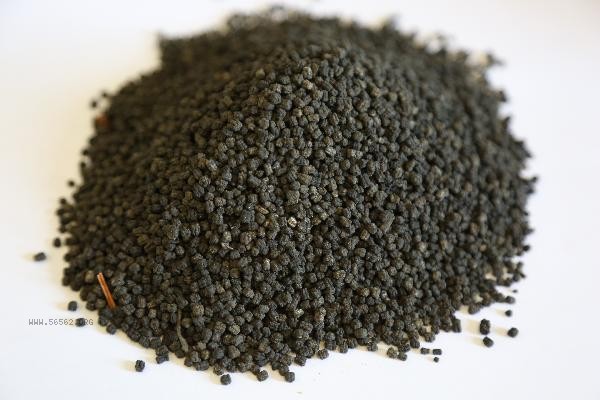
1. Oral administration of traditional Chinese medicine
for damp heat and obstruction type, Si Miao Wan can be selected with modifications, containing ingredients such as Huangbai and Cangzhu, which can help clear heat and dampness. The phlegm stasis blocking type can be treated with Taohong Siwu Tang, which contains Angelica sinensis, safflower, etc., and can promote blood circulation and remove blood stasis. For spleen and kidney deficiency type, Duhuo Parasitic Decoction is suitable, containing Duhuo, Mulberry Parasitic, etc., which can nourish the spleen and kidneys. Traditional Chinese medicine should be prescribed by a Chinese medicine practitioner based on syndrome differentiation, and self medication should be avoided. During medication, avoid consuming high purine foods and regularly check uric acid levels.
2. acupuncture and moxibustion therapy
Acupuncture at Zusanli, Yanglingquan and other acupoints can open channels and activate collaterals, and relieve joint swelling and pain. During the acute phase, the laxative method is used to acupuncture the local Ashi acupoint, combined with electroacupuncture to enhance the analgesic effect. In the chronic phase, warm acupuncture and moxibustion can be used at Shenshu, Guanyuan and other points, 3 times a week. Acupuncture and moxibustion should be operated by professional doctors, and patients with skin infection or bleeding tendency should be cautious. During treatment, it is necessary to follow a low purine diet to avoid overexertion.
3. Cupping therapy
Flash cupping or cupping around painful joints can promote local blood circulation. During the acute phase, use acupuncture and cupping to remove blood stasis from acupoints such as Weizhong and Kunlun. Disinfect the skin before operation, and leave the container for no more than 10 minutes. Do not use for those with coagulation dysfunction. Keep warm after cupping and avoid contact with cold water for 24 hours. It can be combined with traditional Chinese medicine fumigation to enhance the therapeutic effect, treated twice a week.
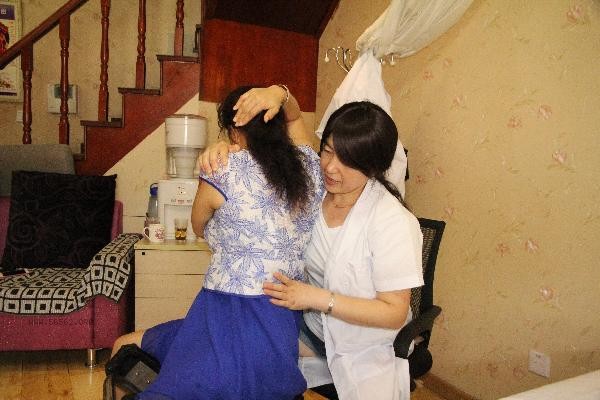
4. External application of traditional Chinese medicine
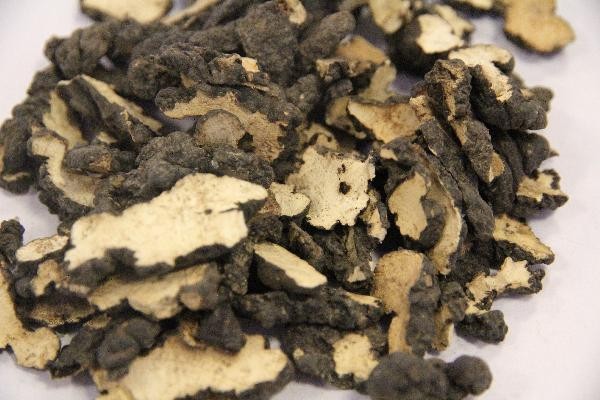
During the acute phase, Jinhuang San mixed with vinegar can be applied externally, containing rhubarb, yellow cypress, etc., which can reduce swelling and relieve pain. Chronic pain can be treated with Huoxue Zhitong ointment, which contains ingredients such as frankincense and myrrh. Individuals with skin allergies should immediately discontinue use, and medication should not be applied to damaged areas. External medication should be changed once a day and combined with infrared radiation to enhance penetration. Observe skin reactions during external application. If itching or rash occurs, seek medical attention.
5. Diet conditioning
We can eat diuretic food such as coix seed Congee, Winter melon soup and avoid high purine diet such as animal viscera and seafood. It is recommended to drink at least 2000 milliliters of water daily to promote uric acid excretion. Moderate consumption of substitute tea drinks such as light bamboo leaf tea and corn whisker tea. Obese individuals need to control their total calorie intake and gradually lose weight. Dietary control requires long-term adherence and regular monitoring of changes in blood uric acid levels. Gout patients should pay attention to joint protection, avoid vigorous exercise and joint exposure to cold. During acute attacks, bed rest should be taken to elevate the affected limb and reduce swelling. It is recommended to quit smoking and limit alcohol consumption, maintain a regular schedule and emotional stability. Regularly check liver and kidney function, with a 2-hour interval between the combination of traditional Chinese and Western medicine. If joint deformities or gouty tophi form, surgical intervention should be considered. When sustained high fever or renal dysfunction occurs, immediate medical attention should be sought.




Comments (0)
Leave a Comment
No comments yet
Be the first to share your thoughts!