
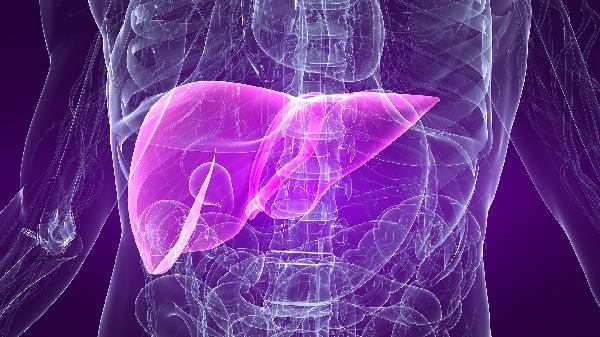
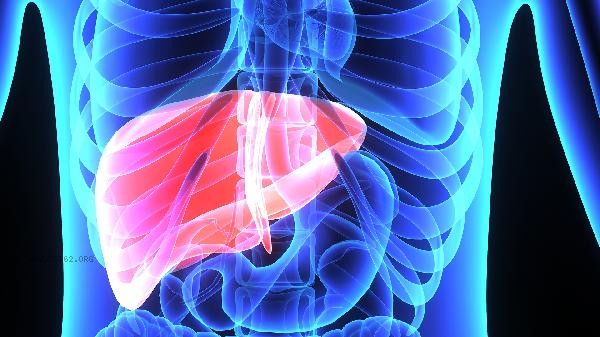
Splenomegaly may be related to chronic hepatitis, but it can also be caused by other reasons. Splenomegaly is usually associated with portal hypertension, blood system diseases, infectious diseases and other factors. Patients with chronic hepatitis may experience splenomegaly, but not all spleens are caused by chronic hepatitis. Chronic hepatitis may lead to liver fibrosis or cirrhosis, which in turn can cause portal hypertension. Portal hypertension can cause obstruction of splenic blood reflux, leading to splenic congestion and enlargement. These patients usually have symptoms such as abnormal liver function, ascites, and esophageal and gastric varices. The treatment should be targeted at the primary disease, such as using antiviral drugs such as entecavir tablets and tenofovir disoproxil fumarate tablets to control the progression of hepatitis. If necessary, splenectomy or portal shunt surgery may be performed. Hematological diseases such as leukemia and myelofibrosis can directly lead to splenic hematopoietic dysfunction or extramedullary hematopoiesis, causing splenomegaly. These patients may present with symptoms such as anemia, bleeding tendency, and enlarged lymph nodes. Chemotherapy, targeted therapy, or hematopoietic stem cell transplantation should be selected based on the specific disease. Infectious diseases, such as malaria, schistosomiasis and other parasitic infections can also lead to splenomegaly through immune response or direct invasion, which requires pathogenic examination and targeted anti infection treatment.

Other reasons include autoimmune diseases, metabolic diseases, splenic tumors or cysts, etc. Autoimmune diseases such as systemic lupus erythematosus can cause splenomegaly through the deposition of immune complexes. Metabolic diseases such as Gaucher's disease can cause substance deposition in the spleen due to enzyme deficiency. Primary or metastatic tumors of the spleen can directly occupy the space of the spleen, leading to an increase in volume. Diagnosis requires a combination of imaging examinations, laboratory indicators, and pathological biopsies. Patients with splenomegaly should avoid vigorous exercise and trauma to prevent splenic rupture. Diet should choose easily digestible, high protein, low-fat foods, and limit the intake of rough and hard foods. Regularly monitor blood routine and abdominal ultrasound to observe changes in spleen size. If symptoms such as upper left abdominal pain, fever, and bleeding tendency occur, seek medical attention promptly. Chronic hepatitis patients should strictly quit drinking, avoid using hepatotoxic drugs, and follow medical advice to regularly check liver function and viral load.








Comments (0)
Leave a Comment
No comments yet
Be the first to share your thoughts!