
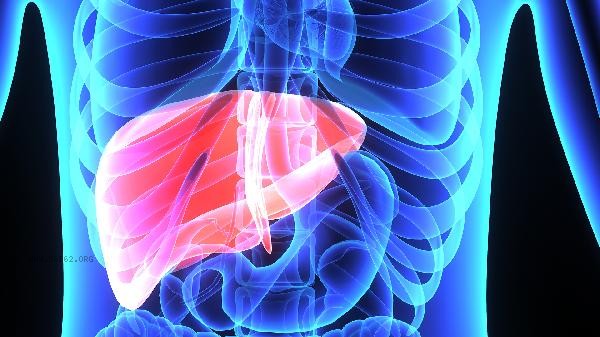
Physical examination reveals that splenomegaly does not necessarily indicate liver cirrhosis. splenomegaly may be related to liver cirrhosis or caused by other factors such as infection or blood system diseases. Splenomegaly refers to the spleen volume exceeding the normal range, and cirrhosis is one of the common causes of splenomegaly. Due to portal hypertension, patients with liver cirrhosis experience obstruction of blood return and enlargement of the spleen due to congestion. These patients usually present with liver dysfunction, ascites, esophageal and gastric varices, and other symptoms. But splenomegaly may also be caused by acute infections such as infectious mononucleosis, chronic infections such as malaria, hematological diseases such as leukemia or lymphoma, autoimmune diseases such as systemic lupus erythematosus, etc. These diseases have their own characteristics, for example, infectious diseases are often accompanied by fever, and blood diseases may be accompanied by anemia or bleeding tendency. Splenomegaly may also be caused by non pathological factors, such as physiological splenomegaly in residents of high-altitude areas due to hypoxia. Some genetic metabolic diseases such as Gaucher's disease and Niemann Pick's disease can also cause significant enlargement of the spleen. These diseases often occur in childhood and are accompanied by neurological or skeletal abnormalities. Splenic tumors or cysts are relatively rare, but they can also manifest as an increase in spleen volume. Splenic venous thrombosis can lead to splenic congestion and enlargement, and patients with this condition may experience abdominal pain or gastrointestinal bleeding.
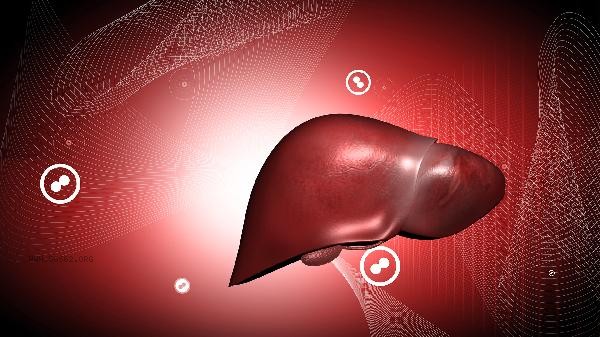
If splenomegaly is found, further blood routine, liver function, abdominal ultrasound or CT examination should be performed to clarify the cause. Daily strenuous exercise should be avoided to prevent spleen rupture, patients with liver cirrhosis need to limit protein intake, and patients with infectious diseases need to ensure rest. All patients with splenomegaly should follow medical advice for regular follow-up examinations to monitor changes in the spleen.









Comments (0)
Leave a Comment
No comments yet
Be the first to share your thoughts!