
Physical examination revealed that enhanced pancreatic echogenicity does not necessarily indicate pancreatitis. Enhanced pancreatic echogenicity may be related to factors such as pancreatitis, pancreatic fat infiltration, pancreatic fibrosis, pancreatic calcification, and pancreatic cysts. It is recommended to seek medical attention promptly and clarify the diagnosis through further examination.

Pancreatic echo enhancement is an imaging manifestation in ultrasound examination, and pancreatitis is one of the common causes of pancreatic echo enhancement. During the onset of acute pancreatitis, pancreatic tissue may undergo changes such as edema and necrosis. Ultrasound examination can show an increase in pancreatic volume and enhanced echogenicity. Chronic pancreatitis, due to repeated inflammation and damage to pancreatic tissue, may result in fibrosis or calcification, as well as increased echogenicity. Pancreatic fat infiltration is more common in individuals with obesity, long-term alcohol consumption, etc. After pancreatic tissue is replaced by fat, the echo is uniformly enhanced. Pancreatic calcification is often associated with chronic inflammation and metabolic abnormalities, and calcium deposition leads to significant enhancement of local echoes. Pancreatic cysts present as hypoechoic or hypoechoic areas, but the cyst wall or septum may exhibit enhanced echogenicity.
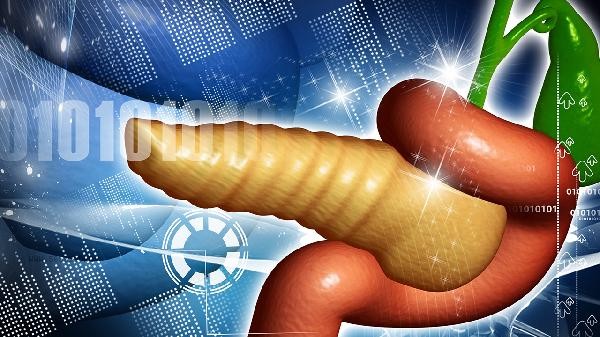
Enhanced pancreatic echo may also be associated with other rare conditions, such as pancreatic tumors, congenital pancreatic developmental abnormalities, etc. Due to individual differences or examination techniques, some healthy individuals may also experience mild echo enhancement without actual pathological significance. The ultrasound examination results need to be combined with imaging examinations such as blood tests, CT or magnetic resonance imaging to make a comprehensive judgment. Simple echo enhancement cannot diagnose any disease.
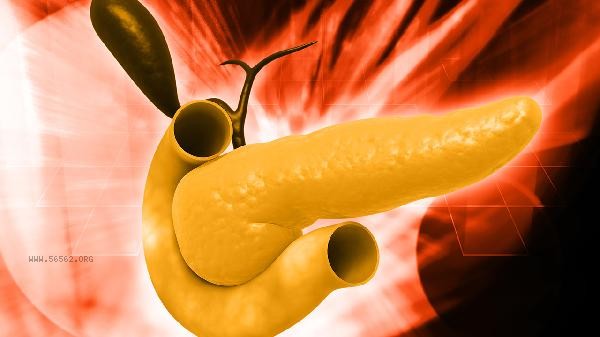
If pancreatic echogenicity is found during a physical examination, one should seek medical attention from a gastroenterologist or general surgeon. The doctor will evaluate the condition based on medical history, physical signs, and other examination results. In daily life, it is necessary to avoid overeating, high-fat eating, and excessive alcohol consumption. Regular sleep patterns can help maintain pancreatic health. If accompanied by symptoms such as abdominal pain, weight loss, jaundice, etc., seek medical attention immediately to rule out the possibility of severe pancreatic disease.








Comments (0)
Leave a Comment
No comments yet
Be the first to share your thoughts!