
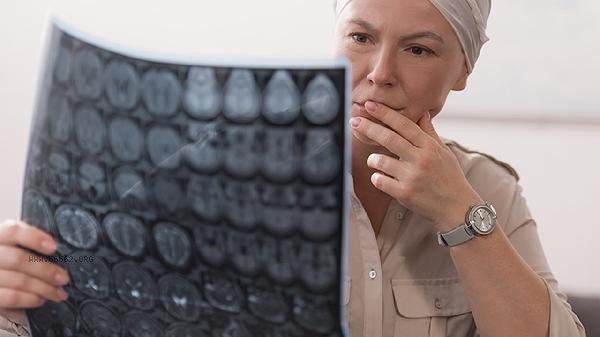
Magnetic resonance imaging (MRI) does not directly harm the brain, but it is important to note the contraindications and scope of application during the examination. Magnetic resonance imaging uses magnetic fields and radio frequency signals for imaging, without ionizing radiation, and is safer compared to other imaging examinations such as CT. However, it is not suitable for people carrying metal or electronic implants, and some people may experience discomfort due to enclosed environments. Why is magnetic resonance imaging harmless to the brain? Magnetic resonance imaging is an imaging technique based on magnetic fields and radio waves, which does not involve ionizing radiation such as X-rays and does not cause cumulative radiation damage to tissues. The magnetic field intensity of normally operated magnetic resonance equipment is strictly controlled and certified according to international standards, and will not cause damage to brain tissue or the nervous system. Magnetic resonance imaging (MRI) helps to display brain structures and lesions with high resolution, such as stroke, tumors, or inflammation, making it a safe and reliable medical imaging tool.
2 Precautions during the examination process
Although magnetic resonance imaging itself does not cause physical harm, contraindications should be closely monitored. Patients carrying pacemakers, cochlear implants, or other metal implants may experience implant displacement or malfunction upon entering magnetic resonance equipment. To avoid risks, a detailed medical history should be communicated with the physician before the examination. Patients with severe claustrophobia can choose open magnetic resonance imaging devices or take sedatives under the advice of a doctor.
3 How to alleviate discomfort caused by examinations

Minority populations may feel uncomfortable due to the enclosed environment of magnetic resonance imaging examinations, noise during examinations, or prolonged periods of inactivity. Before the examination, it is advisable to understand the operating environment of the equipment in advance, or consult a physician to request the use of noise cancelling headphones or even sedatives. For special populations such as children or non cooperative individuals, mild anesthesia may be necessary to successfully complete the examination. Magnetic resonance imaging (MRI) is a widely used and safe brain examination method, but it is important to actively cooperate with medical personnel to identify contraindications before the examination. If you have doubts about magnetic resonance equipment or potential risks, you can seek medical consultation proactively and do not delay necessary medical examinations due to concerns.









Comments (0)
Leave a Comment
No comments yet
Be the first to share your thoughts!