
The claim that eating mushrooms and eggplants together will not cause poisoning is false. Eating mushrooms and eggplants together does not have a principle of mutual restraint in nutrition, and the combination of the two can actually enrich the dietary structure. Mushrooms are rich in high-quality protein, various amino acids, and vitamin D precursors, which help enhance the body's immunity; Eggplant contains a large amount of vitamin P, anthocyanins, and dietary fiber, which have cardiovascular and antioxidant effects. Combining the two for cooking, such as making braised eggplant, stewed mushrooms, or stir fried double fresh dishes, can not only enhance the delicious taste of the dish, but also achieve complementary absorption of protein and trace elements. When consumed in daily life, just make sure the mushrooms are thoroughly cooked to destroy any natural toxins that may exist, and eggplant can be treated appropriately to reduce oil absorption. For the vast majority of the population, moderate simultaneous intake of these two ingredients is safe and beneficial, with no risk of toxic reactions. Some people may experience gastrointestinal discomfort due to undercooked ingredients, allergies to fungal foods, or overeating at once, rather than chemical toxicity caused by food mixing. Individuals with special constitutions who suffer from gout should pay attention to the content of mushroom purine, or those with extremely weak gastrointestinal function should control the intake of dietary fiber in eggplant. However, this is a taboo for consuming a single ingredient and has nothing to do with eating both together.
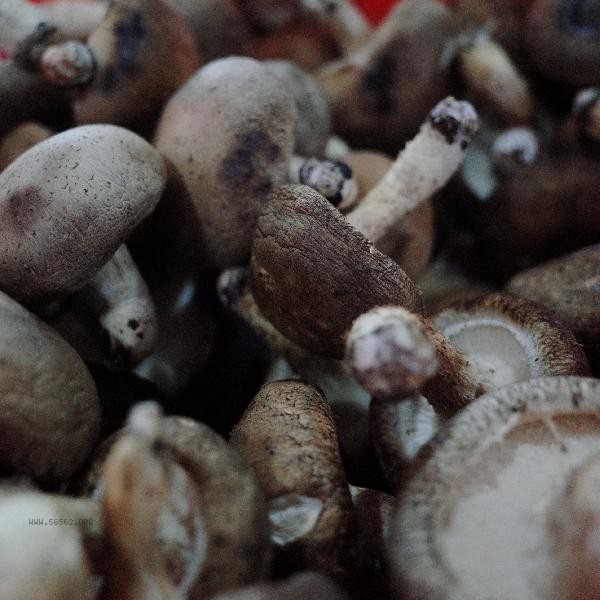
In daily diet, it is important to maintain a variety of foods and avoid biased eating or blindly believing in rumors of food conflict. It is recommended to heat mushrooms at high temperatures until fully cooked to prevent gastrointestinal reactions caused by undercooking; When consuming eggplants, low oil methods such as steaming and boiling can be used to reduce the burden of oil intake. If you experience abnormal symptoms such as nausea, vomiting, and abdominal pain after eating, you should immediately stop eating and go to the hospital for medical treatment. Professional doctors should determine whether it is food poisoning or other acute diseases. Do not self diagnose and delay treatment. At the same time, pay attention to the freshness of ingredients, avoid consuming wild mushrooms that have gone bad or have unknown sources, and ensure food safety from the source. Maintaining a balanced intake of nutrients and good dietary habits is the key to maintaining good physical health.



Comments (0)
Leave a Comment
No comments yet
Be the first to share your thoughts!