
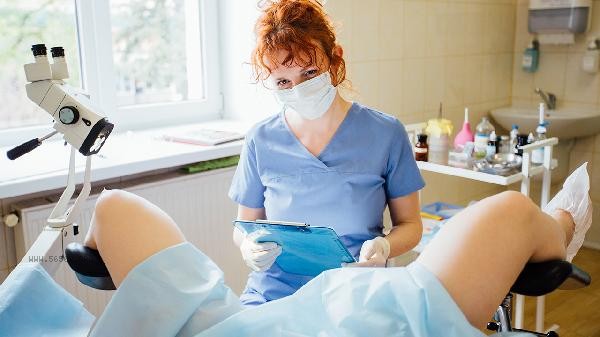
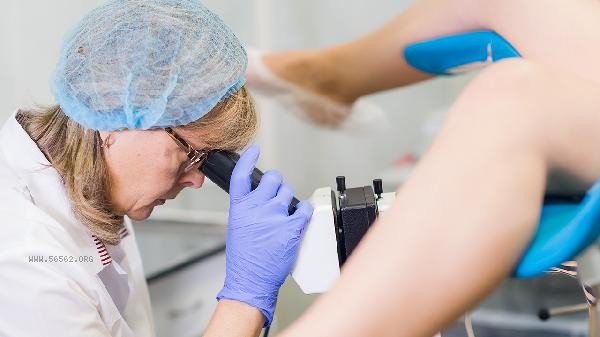
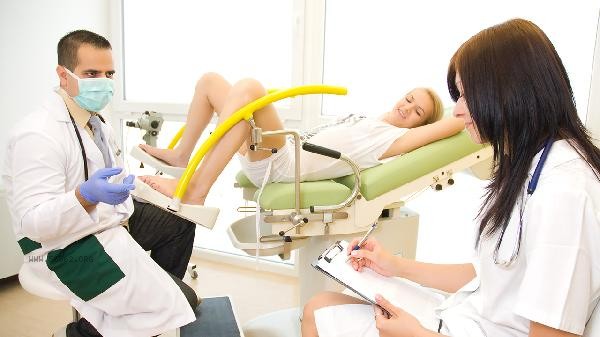
gynecological examinations usually require emptying the bladder, but some examination items may require bladder filling. Routine gynecological examinations such as external genital examination, vaginal speculum examination, cervical smear, etc. require emptying the bladder to avoid bladder filling affecting operational accuracy. Emptying the bladder helps doctors observe vaginal and cervical structures more clearly, reducing discomfort during examinations. Transvaginal ultrasound examination also requires emptying the bladder to prevent image distortion caused by bladder compression. Some special examinations, such as abdominal gynecological ultrasound or pelvic organ evaluation, may require moderate bladder filling to form a sound window. At this time, the doctor will inform the specific requirements in advance. postmenopausal women can better expose the examination site by emptying the bladder due to pelvic floor muscle relaxation. It is recommended to complete urination 30 minutes in advance before the examination to avoid temporary difficulty urinating. In rare cases where bladder fistula is suspected or urinary function needs to be evaluated, doctors may require retention of urine before examination. Early pregnancy abdominal ultrasound examination requires bladder filling to enhance uterine visibility. Pelvic floor dysfunction assessment may need to be performed under different bladder filling states. In these special circumstances, medical staff will clearly inform patients of the preparation items, and patients do not need to make their own judgments. If the examination includes urine routine testing, it is usually necessary to take a midstream urine sample before emptying the bladder. Before the physical examination, carefully read the examination instructions and complete bladder preparation according to the guidelines. Those with dysuria or urinary retention history should inform the doctor in advance. On the day of the inspection, wear loose clothing and carry past gynecological medical records. After completing the examination, it is recommended to drink moderate amounts of water to promote urination and reduce the risk of urinary tract infections. If symptoms such as persistent urinary pain and hematuria occur after examination, seek medical attention promptly.








Comments (0)
Leave a Comment
No comments yet
Be the first to share your thoughts!