
cardiovascular angiography is an important medical examination that is necessary for patients suspected of having coronary heart disease, angina pectoris, or other cardiovascular diseases. It can help identify the location, severity, and scope of the lesion, and assist doctors in developing follow-up treatment plans. If you are at risk or have symptoms of cardiovascular disease, you should consult a doctor to determine whether this examination is necessary.
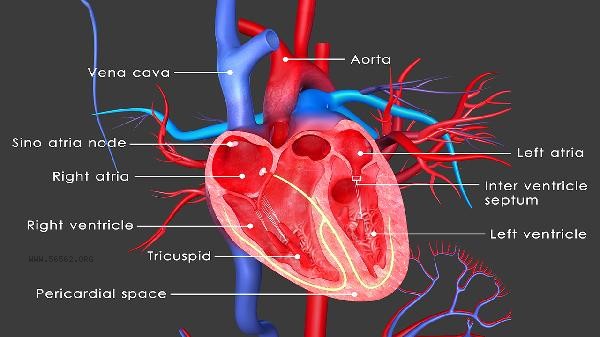
1 The role and applicable population of cardiovascular angiography
Cardiovascular angiography is a method of examination that involves injecting contrast agents into coronary arteries and other cardiac vessels, and then using X-rays to capture cardiovascular images. Its main function is to help detect the presence of stenosis or obstruction in coronary arteries, assess the severity and specific location of lesions, and is commonly used for diagnosing diseases such as coronary heart disease, congenital heart disease, or angina pectoris. The following groups of people may consider this examination: those with obvious chest tightness, chest pain symptoms, and suspected coronary heart disease; Abnormal electrocardiogram examination with unknown cause; High risk population with a history of myocardial infarction; Patients undergoing preoperative assessment of vascular condition. Whether this examination is necessary should be based on medical history, other examination results, and professional
2 examination procedures and risks [SEP]. Cardiovascular angiography is usually performed by puncturing arteries such as the radial or femoral artery under local anesthesia, and injecting contrast agent into the coronary artery after catheterization for imaging. The entire process is relatively safe, but there may be some minor risks, such as pain at the local puncture site, allergic reactions caused by contrast agents, or mild kidney function damage. A small number of patients may experience more serious complications, such as vascular damage or arrhythmia, but the incidence is relatively low. Before deciding whether to undergo cardiovascular imaging, it is crucial to communicate fully with the doctor to understand the pros and cons. Is it necessary to undergo cardiovascular angiography? For high-risk populations, this examination is of great significance and can provide important information for subsequent treatments such as stent implantation or coronary artery bypass surgery. But for patients without obvious symptoms, especially low-risk individuals, this examination is usually not necessary and can be initially screened through non-invasive methods such as cardiac CT, exercise flat panel test, or dynamic electrocardiogram. Cardiovascular angiography examination should be determined based on individual health status and doctor's advice. Different patients have different needs and risks, and should not be blindly requested. It is important to seek medical attention promptly and determine further examination paths through a doctor's evaluation when experiencing cardiovascular disease symptoms such as chest pain and palpitations.








Comments (0)
Leave a Comment
No comments yet
Be the first to share your thoughts!