
It is generally not a problem for babies to have insufficient reserve of farsightedness during physical examination, as most of them are normal physiological phenomena. Physiological hyperopia reserve is commonly present during the development of infants and young children's eyeballs, with a normal range of hyperopia reserve between+1.00D and+3.00D before the age of 3. This farsightedness state will gradually dissipate with age, usually completing the process of emmetropization at the age of 6-8. If there is insufficient reserve of farsightedness without accompanying visual impairment or fatigue symptoms, it is mostly related to individual differences in eye development speed. Measures such as increasing outdoor activities for more than 2 hours per day and reducing continuous close eye use time to less than 20 minutes can be taken to promote visual development. When the reserve value of hyperopia is more than 50% lower than the standard value for the same age or combined with abnormal regulatory function, it may increase the risk of early onset of myopia. This type of situation requires investigation of pathological factors, such as congenital abnormalities in eye structure, familial refractive errors, and genetic predisposition. It is recommended to review the refractive status every 3-6 months. If it is found that the rate of hyperopia reserve depletion exceeds -0.50D per year, optical intervention measures should be considered.
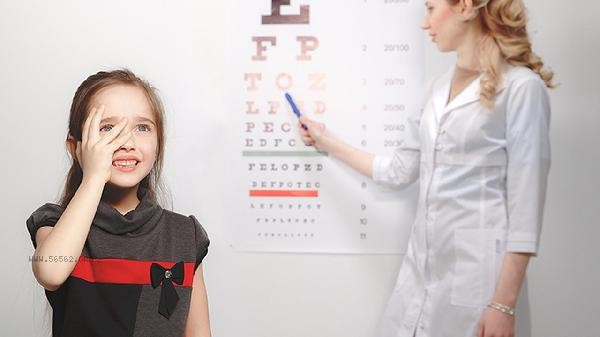
Daily attention should be paid to maintaining a reading distance of at least 30 centimeters and indoor lighting intensity not less than 300 lux. Infants and young children under 2 years old should avoid contact with electronic screens, and preschool children should limit their screen time to 15 minutes per session. Regularly checking visual development and establishing a refractive development record can help detect abnormalities early.










Comments (0)
Leave a Comment
No comments yet
Be the first to share your thoughts!