
The severity of astigmatism discovered during a baby's physical examination should be determined based on the degree of astigmatism. When the degree of astigmatism is low, there is usually no need for special intervention, as high degrees of astigmatism may affect visual development. Astigmatism is a type of refractive error that is associated with abnormal curvature of the cornea or lens. Mild astigmatism is more common in infants and young children, which may be related to incomplete eye development. Most children experience a gradual decrease in astigmatism during their growth process, and their visual development is not significantly affected. Regular visual acuity check ups, avoiding prolonged close eye contact, and ensuring sufficient outdoor activity can help slow down the progression of astigmatism. If astigmatism causes blurred vision or decreased vision, it is necessary to improve vision by wearing corrective glasses under the guidance of an ophthalmologist. When the degree of astigmatism exceeds 200 degrees or is accompanied by the risk of amblyopia, it may have a sustained impact on visual development. High astigmatism can easily lead to symptoms such as visual fatigue and headache, and if not corrected in a timely manner, it may cause amblyopia or strabismus. This type of situation requires professional vision examination every 3-6 months, and if necessary, corneal reshaping lenses or specially designed astigmatism correction lenses should be used. Astigmatism caused by some congenital corneal diseases needs to be screened for genetic metabolic diseases.
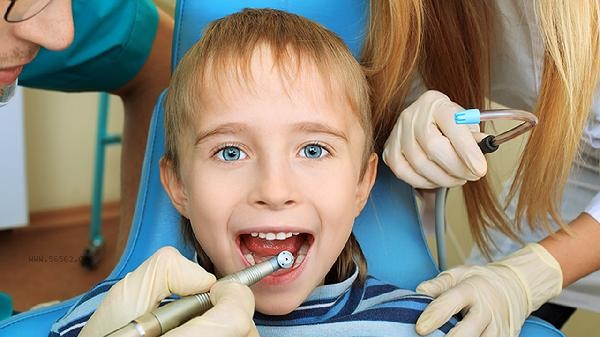
It is recommended that parents take their babies for professional optometry examinations every six months and establish a visual development record. Pay attention to observing whether the baby has abnormal eye use behaviors such as squinting, rubbing, and photophobia in daily life. Maintain at least 2 hours of outdoor activity per day, with a minimum indoor reading time of 500 lux. Avoid using electronic screens in shaking carriages or dark environments, and it is not recommended for infants and young children under two years old to come into contact with electronic devices.










Comments (0)
Leave a Comment
No comments yet
Be the first to share your thoughts!