
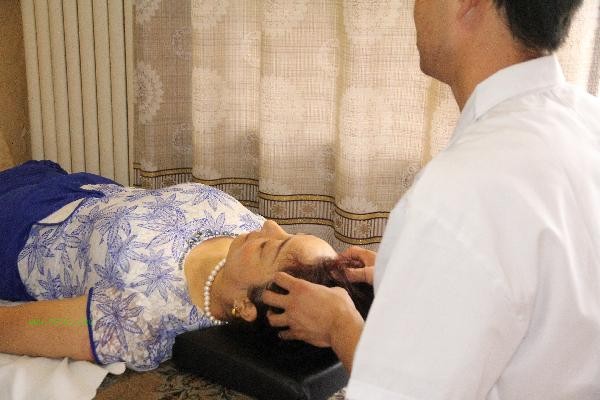
The choice of traditional Chinese medicine or Western medicine treatment for chronic atrophic gastritis should be based on the stage of the disease and individual differences. Western medicine is preferred during acute attacks or when accompanied by Helicobacter pylori infection. Traditional Chinese medicine is more suitable for patients with chronic conditioning or weak constitution. The advantage of Western medicine treatment lies in precise diagnosis and rapid control of symptoms. Gastroscopy can directly observe the degree of mucosal atrophy, while carbon-13 breath test can clearly identify Helicobacter pylori infection. For bacterial infections, quadruple therapy can be used, such as amoxicillin capsules combined with clarithromycin tablets, bismuth potassium citrate capsules, and omeprazole enteric coated capsules. Proton pump inhibitors such as rabeprazole sodium enteric coated tablets can effectively alleviate heartburn symptoms for abnormal gastric acid secretion. If there are precancerous lesions such as intestinal metaplasia, regular endoscopic monitoring can detect malignant tendencies early. The Western medicine regimen has a fast onset and clear therapeutic effect, especially suitable for cases that require emergency intervention. Traditional Chinese medicine treatment focuses on overall regulation and improvement of physical fitness. Through syndrome differentiation and classification, patients with spleen and stomach deficiency and cold can use Huangqi Jianzhong Tang with modifications, while those with liver stomach disharmony can use Chaihu Shugan San. Traditional Chinese medicines such as Codonopsis pilosula and Atractylodes macrocephala can promote gastric mucosal repair, while Sanqi powder can improve local microcirculation. Acupuncture and moxibustion at Zusanli, Zhongwan and other acupoints can adjust gastrointestinal function, and moxibustion has a significant effect on patients with cold syndrome. Traditional Chinese medicine has a longer treatment course but fewer side effects, making it suitable for long-term recuperation or patients with poor Western medicine efficacy. Attention should be paid to individualized formulas and avoid blindly using folk remedies.

Avoid spicy and stimulating foods in daily life, quit smoking and limit alcohol consumption, and eat regularly. Regularly review gastroscopy, and seek medical attention immediately if warning symptoms such as weight loss and black stool appear. The combination of traditional Chinese and Western medicine often achieves better results, and it is recommended to develop personalized plans under the guidance of doctors.







Comments (0)
Leave a Comment
No comments yet
Be the first to share your thoughts!