
Menstrual disorders can be treated with traditional Chinese medicine or Western medicine. Traditional Chinese medicine has more advantages in regulating symptoms such as insufficient qi and blood, and uterine coldness; Western medicine treatment is more direct and effective when there are organic lesions or when hormone intervention is needed.
I. Advantages of Traditional Chinese Medicine Treatment
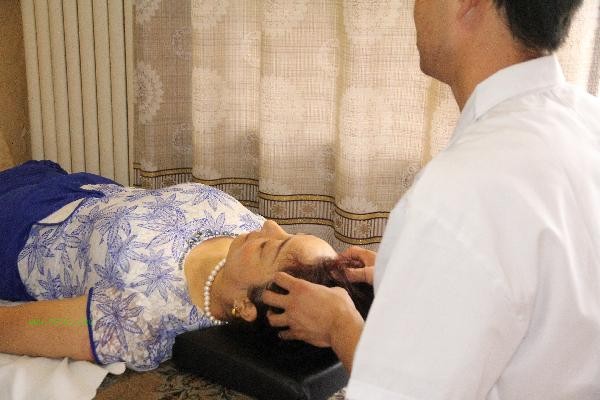
TCM takes Yougui Pill with moxibustion at Guanyuan point for the type of functional dysmenorrhea such as kidney deficiency, Xiaoyao Pill with acupuncture and moxibustion at Taichong point for the type of liver stagnation and qi stagnation, Cangfu Daotan Pill with cupping therapy for the type of phlegm dampness. Traditional Chinese medicine pays attention to overall conditioning. It can improve physical fitness through Tonic Diet such as Siwu Tang, and acupoint pressing such as Sanyinjiao. It is especially suitable for adolescent menarche instability and perimenopausal menstrual disorder, but has limited effect on organic diseases such as uterine fibroids.
II. Characteristics of Western Medicine Treatment
Western medicine clarifies the cause of polycystic ovary syndrome through B-ultrasound, six tests of sex hormones, etc. It is recommended to use ethinylestradiol and cyproterone acetate tablets to regulate the cycle for polycystic ovary syndrome. GnRH-a drugs are used to suppress lesions in endometriosis, and levothyroxine sodium tablets are supplemented for thyroid dysfunction. Western medicine is highly targeted and can use tranexamic acid injection to stop acute massive bleeding, but long-term use of hormones may cause side effects such as breast swelling and pain.
It is recommended to first undergo gynecological ultrasound and hormone examination to rule out organic diseases. Organic problems should be treated with Western medicine for targeted treatment, while functional disorders can be regulated with traditional Chinese medicine. Avoid raw and cold foods in daily life, record menstrual cycles, exercise regularly to improve pelvic blood circulation. If there is no improvement after six months, a follow-up examination is necessary. When combining traditional Chinese and Western medicine treatment, pay attention to informing the doctor of the medication situation and avoiding drug interactions.





Comments (0)
Leave a Comment
No comments yet
Be the first to share your thoughts!