
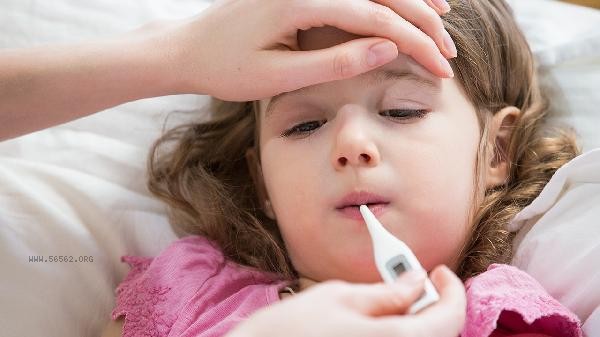
A one week physical examination after the recovery of a child's fever is usually appropriate, but it needs to be determined based on the specific recovery situation of the child. The duration of physical examination is mainly related to factors such as temperature stabilization time, risk of complications, and medication use. If a child's body temperature remains stable for 3-5 days after fever subsides, without accompanying symptoms such as coughing or fatigue, and no special medication is used, a one week physical examination after recovery is relatively safe. At this point, the immune system has basically recovered, and the results of routine blood tests and other items are less affected by fever, which can better reflect the actual health status. Priority can be given to routine items such as basic physical examination and blood routine review for physical examination, avoiding immediate testing of tolerance to intense exercise. If complications such as febrile seizures and pneumonia occur during the fever period, or if medication such as glucocorticoids that may affect the test results has been used, it is recommended to extend the recovery period to 10-14 days before undergoing physical examination. Partial viral infections such as EB virus and Kawasaki disease may cause persistent lymphocyte abnormalities, and early physical examination may interfere with the judgment. When there are underlying diseases such as congenital heart disease, the physical examination time needs to be determined after evaluation by a specialist doctor. Before the physical examination, it is necessary to ensure that the child has a normal daily routine and diet for at least 3 consecutive days, and avoid strenuous activities. On the day of the physical examination, bring complete medical records and proactively inform about recent fever and medication history. It is recommended to choose the morning time slot for physical examination and wear loose clothing for easy inspection. After the physical examination, pay attention to whether there are any abnormal reactions such as fatigue and decreased appetite, and promptly follow up for evaluation if necessary.










Comments (0)
Leave a Comment
No comments yet
Be the first to share your thoughts!