
The gastroscopy pathology report shows that in most cases, intestinal metaplasia does not require excessive tension, but the risk needs to be evaluated based on specific pathological grading and clinical conditions. Intestinal metaplasia is an adaptive change in the gastric mucosa after long-term chronic inflammatory stimulation, which can be divided into complete and incomplete types, with the latter being associated with the occurrence of gastric cancer. Incomplete intestinal metaplasia may result in abnormal changes in the glandular structure of the gastric mucosa, accompanied by reduced gastric acid secretion or helicobacter pylori infection. These patients need to undergo regular gastroscopy and testing for Helicobacter pylori, and if necessary, undergo eradication treatment. Complete intestinal metaplasia is usually a benign lesion, with only cell type changes in the gastric mucosa and no structural abnormalities. Most patients can control the progression by improving their dietary habits and eliminating inflammatory stimuli. Intestinal metaplasia with moderate to severe dysplasia is at a higher risk of cancer and may result in disordered arrangement of mucosal glands or abnormal cell nuclei. Patients of this type need to shorten the follow-up interval to 6-12 months and undergo endoscopic mucosal resection treatment if necessary. Elderly patients or those with concomitant atrophic gastritis have a correspondingly increased probability of developing gastric cancer, and follow-up monitoring needs to be strengthened.
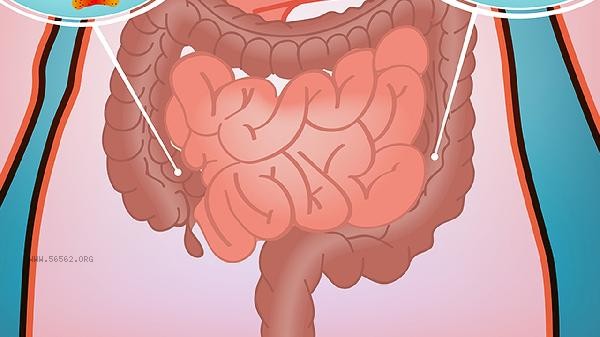
It is recommended that patients with intestinal metaplasia maintain a low salt and light diet, avoid pickled, smoked, and baked foods, quit smoking and limit alcohol consumption, and have a regular daily routine. Follow up gastroscopy and pathological examination every 1-2 years, and seek medical attention promptly if warning symptoms such as worsening abdominal pain and weight loss are found. Helicobacter pylori positive patients should undergo standardized quadruple therapy for eradication treatment, with commonly used drugs including omeprazole enteric coated capsules, amoxicillin capsules, clarithromycin tablets, and colloidal bismuth pectin capsules.









Comments (0)
Leave a Comment
No comments yet
Be the first to share your thoughts!