
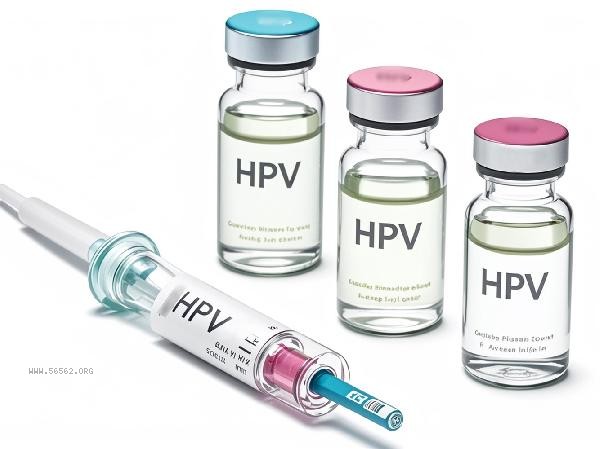
HPV16 positivity belongs to high-risk human papillomavirus infection and is closely related to the occurrence of malignant tumors such as cervical cancer. HPV16 is one of the subtypes with the highest risk of cancer, mainly transmitted through sexual contact. Long term persistent infection may lead to cervical intraepithelial neoplasia or even cancer. High risk HPV infections mainly include subtypes such as HPV16, HPV18, HPV31, HPV33, HPV35, among which HPV16 and HPV18 are responsible for the majority of cervical cancer cases. In the early stages of HPV16 infection, there are usually no obvious symptoms, and some patients may experience abnormal vaginal discharge or contact bleeding. The virus can integrate into the host cell genome and interfere with the function of tumor suppressor genes by expressing E6 and E7 oncogenes, leading to abnormal cell proliferation. About 90% of cases can be cleared through autoimmune means within 1-2 years after infection, but if the infection persists for more than 2 years, the risk of cancer significantly increases. When women over 30 years old are continuously infected with HPV16, the probability of developing high-grade cervical lesions can reach 15-20%. For HPV16 positive patients, even if the TCT test results are normal, it is recommended to perform vaginal colposcopy to rule out potential lesions. Joint detection of p16/Ki-67 double staining can improve the detection rate, and if necessary, cervical biopsy should be performed to confirm the diagnosis. The preventive HPV vaccine has a significant protective effect on uninfected individuals, while the therapeutic vaccine is still in clinical trials. Patients who have already developed precancerous lesions can undergo LEEP knife conization or cold knife conization, and regular follow-up monitoring of changes in viral load is required.

Maintaining a single sexual partner and using condoms in a standardized manner can reduce the risk of infection, and quitting smoking for smokers can help enhance local immunity. Women over 30 years old should undergo HPV testing combined with TCT screening every 3-5 years. Vaccination with the nine valent HPV vaccine can prevent 9 high-risk types of infections, including HPV16. There is no need to panic excessively when discovering HPV16 positivity, but regular follow-up examinations must be taken seriously to avoid developing irreversible cervical lesions.









Comments (0)
Leave a Comment
No comments yet
Be the first to share your thoughts!