
Elevated white blood cells may be related to diet, but are more often caused by infections, inflammation, or blood system diseases. The increase in white blood cell count is mainly related to factors such as pathogen stimulation, immune response activation, abnormal bone marrow proliferation, drug effects, stress state, etc. Dietary factors are usually secondary triggers.

1. Pathogen stimulation
Bacterial or viral infection is a common cause of leukocytosis, and the body fights against pathogens by increasing neutrophils, lymphocytes, etc. At this time, targeted treatment is needed for the source of infection. For bacterial infections, antibiotics such as amoxicillin capsules, cefepime tablets, and levofloxacin tablets can be used. Seek medical attention promptly when accompanied by symptoms of fever and local redness and swelling.
2. Activation of immune response
Allergic or autoimmune diseases can lead to an increase in eosinophils or lymphocytes, such as asthma, rheumatoid arthritis, etc. It needs to be controlled by glucocorticoids or immunosuppressants, such as prednisone acetate tablets and methotrexate tablets. This type of situation requires complete immunological tests such as anti nuclear antibodies.
3. Abnormal bone marrow proliferation
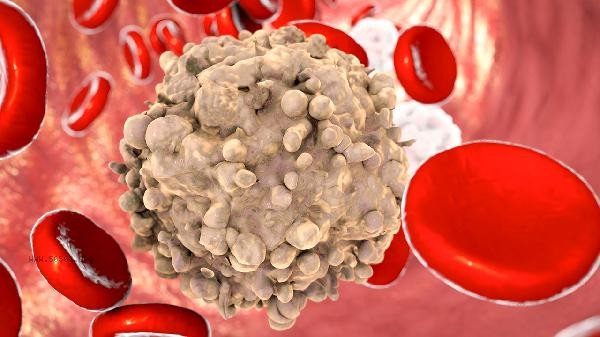
Hematological diseases such as leukemia and bone marrow fibrosis can cause abnormal proliferation of white blood cells, often accompanied by anemia and bleeding tendency. Diagnosis requires bone marrow puncture, and treatment includes targeted drugs such as hydroxyurea tablets and imatinib capsules. This type of disease is not directly related to diet.
4. Drug effects
Corticosteroids, adrenaline, and other drugs can temporarily increase white blood cells. After discontinuation of medication, recovery is often possible, and blood routine should be monitored during use. Avoiding self medication abuse is key to prevention.
5. Stress state
Intense exercise, trauma, or emotional stress may cause physiological leukocytosis, which usually returns to normal within 24 hours. Adjusting lifestyle can help improve. In terms of diet, a long-term high-fat and high sugar diet may indirectly affect white blood cells by promoting chronic inflammation. It is recommended to increase anti-inflammatory foods such as dark vegetables and deep-sea fish. However, simple dietary adjustments cannot solve pathological white blood cell elevation, and continuous abnormalities require comprehensive examinations such as C-reactive protein and peripheral blood smears to clarify the cause. Pay attention to observing whether there are warning symptoms such as fever and fatigue in daily life.








Comments (0)
Leave a Comment
No comments yet
Be the first to share your thoughts!