
Elevated indirect bilirubin may be a manifestation of liver disease, but it may also be related to other factors. Elevated indirect bilirubin levels are usually associated with hemolytic anemia, genetic abnormalities in bilirubin metabolism, hepatitis, cirrhosis, and other factors. Hemolytic diseases are a common cause of elevated indirect bilirubin levels. Increased destruction of red blood cells can lead to the breakdown of hemoglobin, producing a large amount of indirect bilirubin that exceeds the liver's processing capacity. These patients may experience symptoms such as yellowing of the skin and mucous membranes, and darkening of urine color. Intervention is needed for the primary disease in treatment, and blood transfusion therapy can be performed if necessary.
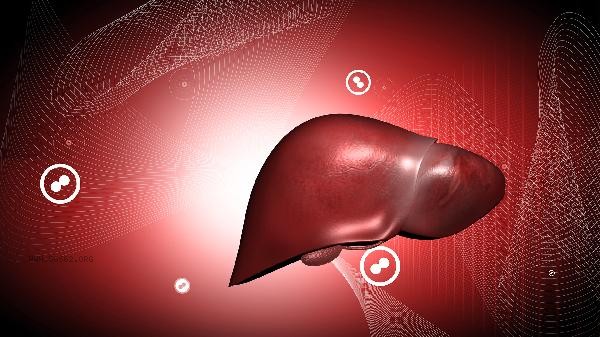
Liver diseases may also cause indirect bilirubin elevation. Diseases such as hepatitis and cirrhosis can affect the uptake and binding ability of liver cells to bilirubin. These patients often have symptoms such as decreased appetite, fatigue, and discomfort in the liver area. Treatment requires the selection of hepatoprotective or antiviral drugs based on the specific cause, and in severe cases, liver transplantation may be necessary.
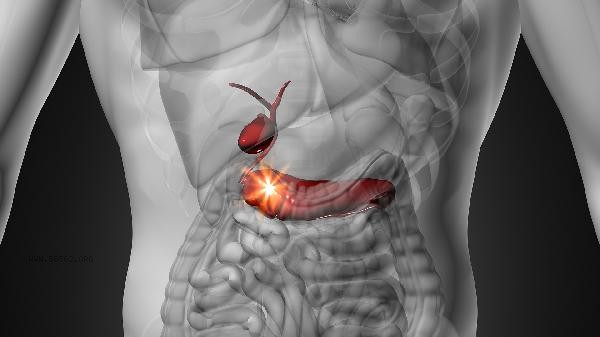
It is recommended to seek medical examination promptly when indirect bilirubin elevation occurs, and complete blood routine, liver function, abdominal ultrasound and other examinations to clarify the cause. In daily life, it is important to avoid drinking alcohol and taking hepatotoxic drugs, maintain a regular schedule and balanced diet, and engage in aerobic exercise to enhance physical fitness.








Comments (0)
Leave a Comment
No comments yet
Be the first to share your thoughts!