
Elevated direct bilirubin may be a signal of gallstones, but it may also be related to other liver and gallbladder diseases. Elevated direct bilirubin is usually associated with factors such as obstructed bile excretion and liver cell damage. Gallstones are one of the common causes, but it needs to be comprehensively judged in conjunction with other examinations. Gallstones may lead to bile stasis, causing direct bilirubin to reflux into the bloodstream. The patient may experience symptoms such as upper right abdominal pain, jaundice, and darkened urine color. Ultrasound examination can detect gallstones or bile duct stones, and blood tests often show abnormalities in alkaline phosphatase and glutamyl transpeptidase, in addition to direct elevation of bilirubin. If the stones are small and asymptomatic, they can be eliminated by adjusting diet and increasing exercise; If it causes cholangitis or obstruction, endoscopic stone removal or cholecystectomy is required. Non cholelithiasis factors such as primary sclerosing cholangitis, bile duct tumors, etc. can also lead to direct bilirubin elevation. This type of disease may be accompanied by symptoms such as skin itching, weight loss, and clay like stools, and should be diagnosed through magnetic resonance cholangiopancreatography or pathological biopsy. Viral hepatitis, drug-induced liver injury and other liver cell lesions can also cause direct bilirubin abnormalities, usually accompanied by significant elevation of transaminases, requiring liver protection treatment and removal of the causative factors.
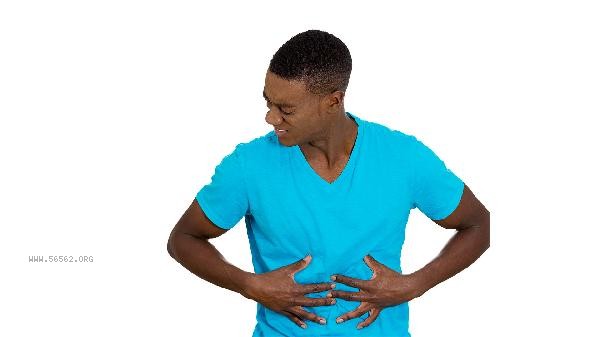
It is recommended to complete abdominal imaging and complete liver function tests when direct bilirubin elevation occurs, avoid high-fat diet, and regularly monitor changes in indicators. If diagnosed with gallstones and asymptomatic, ultrasound can be re examined every six months; If fever, persistent abdominal pain, or worsening jaundice occurs, seek medical attention immediately.









Comments (0)
Leave a Comment
No comments yet
Be the first to share your thoughts!