
Normal liver function but high bilirubin does not necessarily indicate hemolysis, it may be caused by physiological jaundice or abnormal bilirubin metabolism. Hemolysis is only one of the causes of elevated bilirubin, and it needs to be comprehensively judged in conjunction with other examinations. Bilirubin is a product of hemoglobin breakdown, and when liver function is normal, an increase in bilirubin may be related to excessive destruction of red blood cells. Short term intense exercise, physiological jaundice in newborns, and hereditary non hemolytic hyperbilirubinemia can all lead to mild elevation of bilirubin. This type of situation usually does not require special treatment, and can be relieved by paying attention to rest, drinking plenty of water, and avoiding excessive fatigue. Some people have Gilbert syndrome, which is a benign bilirubin metabolism disorder characterized by intermittent mild bilirubin elevation and does not affect health.
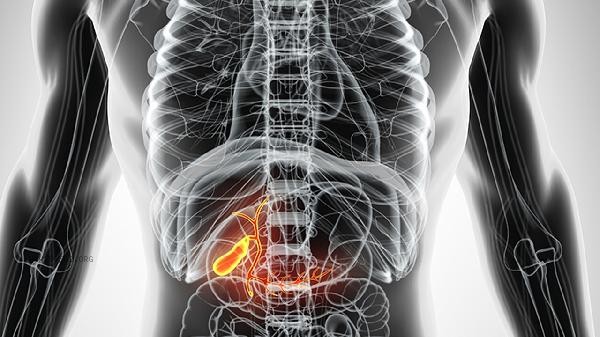
Be alert to the possibility of hemolysis when bilirubin levels significantly increase. Autoimmune hemolytic anemia, transfusion reactions, favism, and other conditions can lead to extensive destruction of red blood cells and excessive production of indirect bilirubin. The patient may experience symptoms such as yellowing of the skin and mucous membranes, strong tea colored urine, and fatigue. Laboratory tests show evidence of hemolysis such as decreased hemoglobin, increased reticulocytes, and decreased binding globulin. This type of situation requires targeted treatment for the primary disease, such as using glucocorticoids to suppress immune responses, and in severe cases, requiring blood transfusion support.
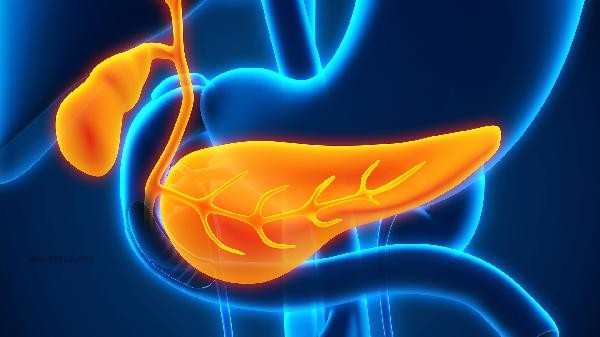
It is recommended to complete blood routine, reticulocyte count, hemolysis screening, and other tests when bilirubin levels increase. Daily use of drugs that may induce hemolysis, such as sulfonamides, should be avoided. Patients with favism should fast fava beans. Maintain a regular schedule, exercise moderately, avoid alcohol consumption and high-fat diet. If accompanied by symptoms such as yellowing of the skin and darkening of urine color, seek medical attention promptly and have a doctor evaluate whether further treatment is needed.








Comments (0)
Leave a Comment
No comments yet
Be the first to share your thoughts!