
The positive results of two pairs of semi surface antigens of hepatitis B usually indicate hepatitis B virus infection, but it is necessary to judge whether it is hepatitis B combined with other indicators. The interpretation of two and a half test results of hepatitis B mainly depends on the combination mode of five indicators, namely, surface antigen, surface antibody, e antigen, e antibody and core antibody. A single positive surface antigen may be an early stage of acute infection, a chronic carrier state or a false positive test. It is necessary to further check hepatitis B virus DNA, liver function and other clear diagnosis.

1. Positive significance of surface antigen
hepatitis B surface antigen is a component of hepatitis B virus coat protein, and positive results directly indicate the existence of the virus. Acute infection can be detected within 1-2 weeks, and if it persists for more than 6 months, it is defined as chronic infection. But some vaccinated individuals may experience temporary positive results, which are related to the stimulation of the immune system by vaccine components, and are usually not accompanied by other abnormal indicators.
2. False positives need to be ruled out.
False positives may be caused by factors such as reagent sensitivity, specimen hemolysis, rheumatoid factor interference, etc. during the testing process. It is suggested to repeat the test and recheck with reagents of different principles, and conduct quantitative detection of hepatitis B virus DNA when necessary. Pregnant women may also experience transient low titer positivity due to hormonal changes in their bodies.
3. Combined interpretation with other indicators
If accompanied by positive e antigen and high viral DNA load, it indicates active virus replication and strong infectivity. If the e antibody is positive and the DNA is negative, it may indicate a low replication period or inactive carrier state. Positive core antibody IgM is helpful in determining acute infection, while positive IgG indicates previous infection or chronicity.

4. Chronic hepatitis B can be diagnosed as chronic hepatitis B if the
surface antigen continues to be positive for more than 6 months, accompanied by abnormal liver function or liver histological changes. Asymptomatic carriers need to monitor transaminase and viral load every 3-6 months. When there is a sustained increase in alanine aminotransferase or abnormal liver elasticity testing, it is recommended to initiate antiviral treatment.
5. Handling of special populations
Pregnant women with positive surface antigen should have their viral load detected in the late stages of pregnancy. When the viral load exceeds a certain threshold, mother infant blockade therapy should be performed. Individuals with low immune function may experience occult infections where surface antigens disappear but viral DNA is positive. This population requires special attention to the progression of liver fibrosis.
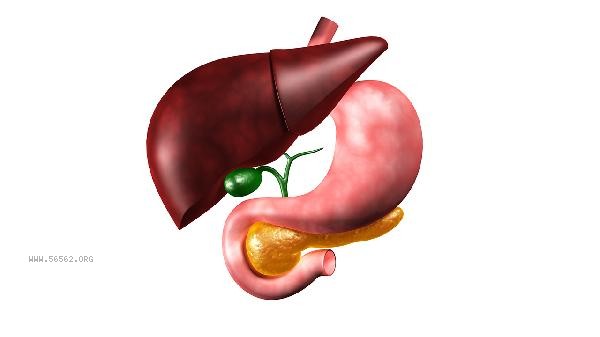
After discovering a positive surface antigen, one should avoid drinking alcohol and taking hepatotoxic drugs, and maintain a regular daily routine. It is recommended that family members be vaccinated and screened for infection status. Daily contact should not spread the virus but should avoid sharing items that may come into contact with blood, such as razors. Regularly check liver function, ultrasound, and alpha fetoprotein. Patients over 40 years old are recommended to undergo liver cancer screening every six months. If chronic hepatitis B is diagnosed, first-line antiviral drugs such as entecavir tablets, tenofovir fumarate dipivurate tablets can be selected under the guidance of doctors.








Comments (0)
Leave a Comment
No comments yet
Be the first to share your thoughts!