
When liver function is normal but bilirubin is elevated, it is usually necessary to determine whether to perform hemolysis testing based on the specific situation. If indirect bilirubin elevation is the main cause and there is no clear evidence of liver disease, it is recommended to improve hemolysis related tests; If there is a direct increase in bilirubin or risk factors for liver and gallbladder diseases, priority should be given to investigating liver and gallbladder system problems.
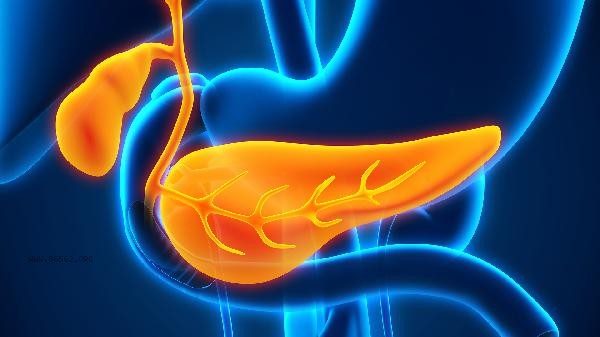
Simple indirect bilirubin elevation may indicate hemolytic disease. Increased destruction of red blood cells can lead to the breakdown of hemoglobin into indirect bilirubin, resulting in hyperbilirubinemia when it exceeds the liver's processing capacity. Common manifestations include yellowing of the skin and mucous membranes, darkening of urine color, but liver function transaminases are usually normal. At this time, hemolysis screening such as reticulocyte counting, plasma free hemoglobin testing, Coombs test, etc. should be performed to determine whether there are autoimmune hemolysis, hereditary spherocytosis, and other diseases. Mild hemolysis may only require observation, while severe hemolysis may require treatment with glucocorticoids or splenectomy.
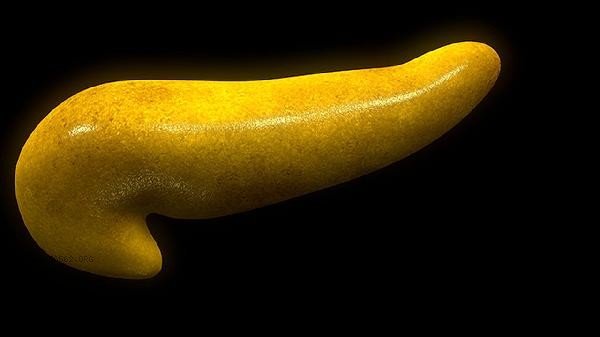
Attention should be paid to liver and gallbladder system diseases when there is an increase in direct bilirubin or mixed hyperbilirubinemia. Biliary obstruction, cholestatic liver disease, and other conditions can lead to the reflux of conjugated bilirubin into the bloodstream. In such cases, imaging examinations such as abdominal ultrasound and MRCP should be performed. Hereditary bilirubin metabolism disorders such as Gilbert syndrome can also manifest as isolated elevation of bilirubin, but usually do not require special treatment. Long term alcohol consumption, drug-induced liver injury, and other non hemolytic factors may also interfere with bilirubin metabolism, and should be comprehensively judged based on medical history.
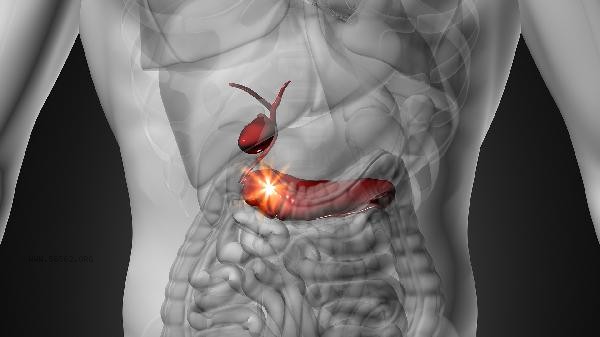
It is recommended that patients complete basic examinations such as blood routine, urine routine, and liver and gallbladder ultrasound, and have their doctors evaluate the classification and degree of bilirubin elevation. Avoid self medication that may cause hemolysis, such as sulfonamide antibiotics, and observe changes in urine and sclera color. If accompanied by symptoms of fever, abdominal pain, or anemia, timely follow-up visits should be made, and further examinations such as genetic testing or bone marrow puncture should be performed if necessary.








Comments (0)
Leave a Comment
No comments yet
Be the first to share your thoughts!