
Elevated tumor marker CEA does not necessarily indicate lung cancer. Carcinoembryonic antigen (CEA) is a broad-spectrum tumor marker, and its elevation may be associated with various malignant tumors such as lung cancer, colorectal cancer, and gastric cancer, as well as benign diseases such as pancreatitis, colon polyps, cirrhosis, or smoking. Mild elevation of CEA is common in benign diseases or physiological states. Chronic gastritis patients may experience a slight increase in CEA levels due to long-term inflammation and stimulation of the gastrointestinal mucosa, often accompanied by symptoms such as upper abdominal pain and postprandial fullness, which can be diagnosed through gastroscopy examination. The chemicals in tobacco used by long-term smokers will continue to stimulate bronchial epithelial cells, causing CEA values to be higher than normal. After quitting smoking, many indicators can gradually recover. Cirrhotic patients may experience fluctuations in CEA metabolism and clearance due to decreased liver function, accompanied by typical liver disease manifestations such as jaundice and ascites.

A significant increase in CEA requires caution against the possibility of malignant tumors. The positive rate of CEA in non-small cell lung cancer patients is relatively high. When the tumor invades the bronchial mucosa or undergoes distant metastasis, the CEA value may sharply increase, and a clear diagnosis should be made by combining chest CT and pathological biopsy. As the tumor volume increases and stages progress, patients with colorectal cancer may experience increased release of CEA into the bloodstream, as well as symptoms such as rectal bleeding and intestinal obstruction. When advanced gastric cancer is accompanied by peritoneal metastasis, the level of CEA often increases significantly, and pathological examination by gastroscopy is the basis for diagnosis.
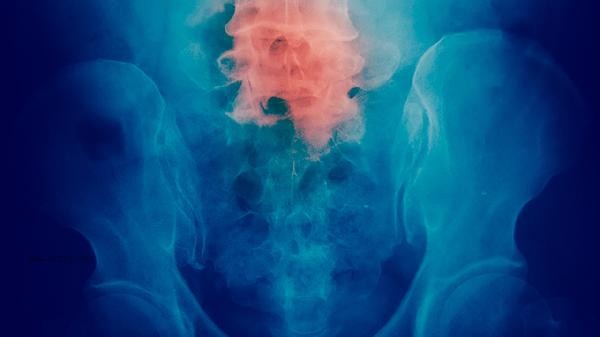
The discovery of elevated CEA requires further imaging and pathological examination. It is recommended to perform low-dose chest CT screening for lung lesions. For those with gastrointestinal discomfort, gastrointestinal endoscopy should be performed to evaluate the digestive tract condition, and other tumor markers such as CA199 and CA724 should be tested to assist in judgment. Daily smoking cessation and alcohol restriction are necessary to avoid excessive anxiety. Regular monitoring of changes in indicators should be conducted, and a diagnosis should be made by a specialist doctor based on clinical manifestations and other examination results.








Comments (0)
Leave a Comment
No comments yet
Be the first to share your thoughts!