
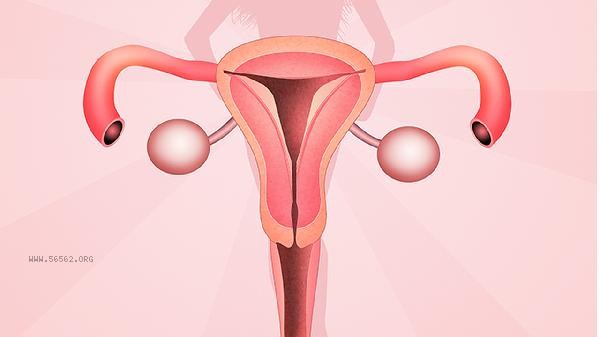
Uterine fibroids can be treated by means of traditional Chinese medicine conditioning, acupuncture and moxibustion, moxibustion, massage, diet regulation, etc. Uterine fibroids may be related to abnormal hormone levels, genetic factors, inflammatory stimuli, emotional disorders, blood stasis, and other reasons. They usually manifest as menstrual abnormalities, lower abdominal bloating, compression symptoms, anemia, infertility, and other symptoms.
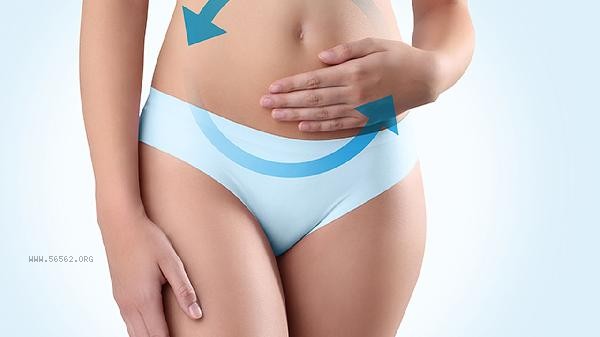
1. Traditional Chinese Medicine Treatment
Traditional Chinese medicine believes that uterine fibroids are often caused by liver depression and qi stagnation or cold coagulation and blood stasis. Guizhi Fuling Pills are commonly used to promote blood circulation and remove blood stasis, and are suitable for patients with excessive menstrual flow and blood clots; Sanjie Analgesic Capsules can soften and firm nodules, suitable for patients with large fibroids; Danzhi Xiaoyao Pill soothes the liver and relieves depression, targeting fibroids induced by emotional anxiety. It is necessary to choose traditional Chinese patent medicines and simple preparations based on syndrome differentiation and avoid self medication.
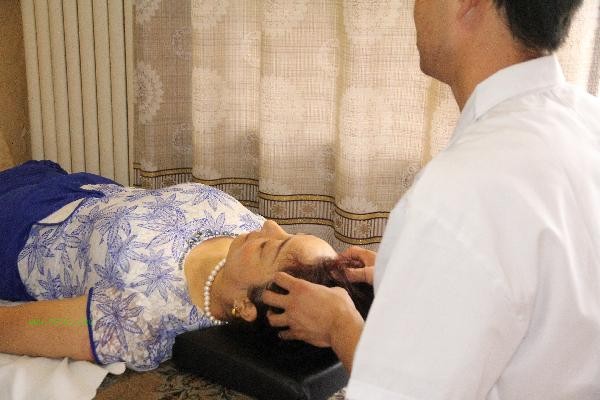
2. acupuncture and moxibustion therapy
Select Guanyuan, uterus, Sanyinjiao and other acupoints, regulate the function of hypothalamus pituitary ovary axis through electroacupuncture stimulation, and inhibit the excessive secretion of estrogen. Clinically, moxibustion is often combined with Shenque acupoint to warm and unblock meridians, improving local blood circulation in the uterus. Treating 3 times a week for 3 consecutive menstrual cycles can reduce the volume of fibroids.
3. Moxibustion therapy
uses ginger separated moxibustion at acupoints such as Qihai and Zhongji, and utilizes the warming effect of moxa to promote the circulation of qi and blood in the pelvic cavity. It has a significant effect on cold coagulation and stasis type fibroids, and can alleviate dysmenorrhea and menstrual lower back pain. Be careful not to burn sensitive skin with caution, and suspend moxibustion for those with heavy menstrual blood.
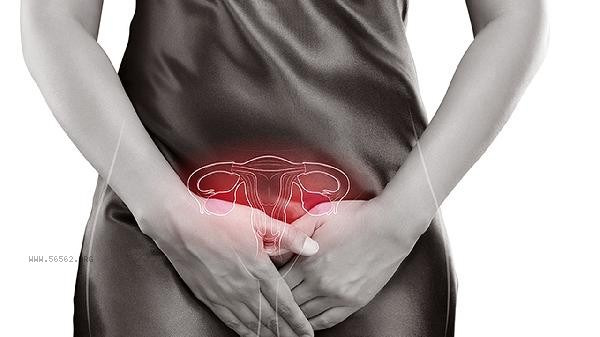
4. Massage
Massage the abdomen along the Ren meridian direction, and use acupoints such as Blood Sea and Diji to help dissipate lumps. Suitable for those with fibroids smaller than 3 centimeters in diameter, it can improve compression symptoms such as bloating and constipation. Taboo menstrual procedures and violent pressing, not suitable for patients with uterine adenomyosis.
5. Dietary regulation
Reduce the intake of estrogen containing foods such as royal jelly and consume more blood activating ingredients such as hawthorn and black fungus. People with spleen deficiency can often drink yam and barley Congee, and the type of qi stagnation and blood stasis is suitable for rose instead of tea. Avoid raw, cold, spicy, and stimulating foods, and limit the daily intake of soy products to no more than 30 grams. Traditional Chinese medicine treatment requires continuous observation of efficacy for more than 3 months, and the use of blood activating drugs should be suspended during menstruation. Regular follow-up ultrasound monitoring of changes in fibroids. If there is excessive menstrual blood leading to hemoglobin levels below 80g/L or fibroid diameters exceeding 5cm, it is recommended to cooperate with Western medicine intervention. Maintain a regular daily routine and a peaceful mindset, avoid sitting for long periods of time, and engage in gentle exercises such as Ba Duan Jin three times a week to promote smooth blood flow.





Comments (0)
Leave a Comment
No comments yet
Be the first to share your thoughts!