
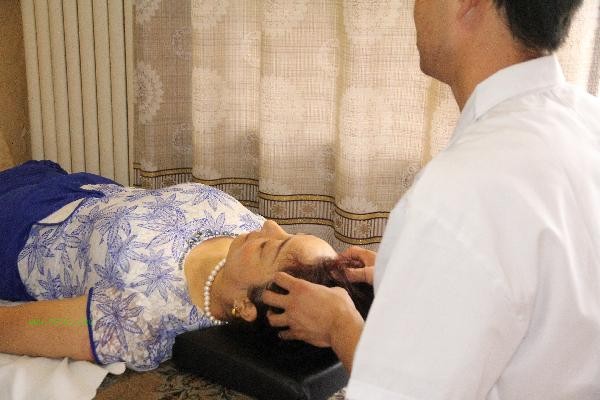
Traditional Chinese Medicine (TCM) uses different methods to treat tinnitus based on the syndrome type. Common syndrome types include liver and kidney yin deficiency, insufficient qi and blood, phlegm and fire stagnation, wind and heat disturbance, and blood stasis obstructing collaterals. Treatment methods include traditional Chinese medicine conditioning, acupuncture and moxibustion, massage, ear point pressing beans, etc., and a plan should be formulated in combination with individual physique and symptom characteristics.

1. Liver and kidney yin deficiency
Liver and kidney yin deficiency type tinnitus is characterized by tinnitus such as cicada, dizziness, and soreness in the waist and knees, which may be related to factors such as long-term staying up late and overwork. Qiju Dihuang Pills or Zuogui Pills are commonly used in traditional Chinese medicine to nourish the kidney and liver, together with acupuncture and moxibustion at Taixi, Sanyinjiao and other acupoints. Avoid spicy and hot foods in daily life, and consume nourishing liver and kidney products such as black sesame and mulberries.
2. Qi and blood deficiency
The characteristics of Qi and blood deficiency type tinnitus are weak tinnitus sound, aggravated fatigue, often accompanied by symptoms such as pale complexion and fatigue. Guipi Decoction or Bazhen Decoction are commonly used prescriptions. acupuncture and moxibustion selects Zusanli, Qihai and other acupoints to supplement qi and blood. It is recommended to consume ingredients such as red dates and yams that nourish qi and blood appropriately to avoid excessive thinking and damage to qi and blood.
3. Phlegm fire stagnation
Phlegm fire stagnation type tinnitus is often characterized by ringing, heavy head, and chest tightness, which may be related to the rich and sweet taste of the diet. Huanglian Wendan Decoction or Qingqi Huatan Pill can clear away heat and remove phlegm, combined with Fenglong and Neiting acupuncture and moxibustion. Reduce the intake of greasy sweets and drink moderate amounts of tangerine peel and hawthorn tea to help reduce phlegm.

4. Wind heat disturbance
Wind heat disturbance type tinnitus is commonly characterized by sudden tinnitus and ear tightness, or accompanied by cold symptoms. Yinqiao Powder or Sangju Drink can clear away wind and heat. acupuncture and moxibustion points such as Fengchi and Tinghui are selected. During the onset of the disease, one should avoid wind and keep warm, and drink chrysanthemum mint tea to assist in dispersing wind and heat.
5. Blood stasis obstructing collaterals
Blood stasis obstructing collaterals type tinnitus is often persistent and may have a history of trauma or long-term illness. Tongqiao Huoxue Tang or Xuefu Zhuyu Tang can promote blood circulation and unblock meridians, combined with acupoint stimulation and bloodletting at the Ear Gate and Yifeng points. Daily moderate massage around the ears can promote blood circulation and avoid maintaining the same posture for a long time.

Traditional Chinese Medicine treatment for tinnitus emphasizes syndrome differentiation and overall regulation. Patients need to maintain a regular schedule, avoid noise stimulation, and control emotional fluctuations. Diet should be light and moderate, and can be combined with ear exercises such as Mingtian Drum. If tinnitus persists or worsens, timely re examination and adjustment of treatment plan should be carried out to avoid self medication abuse. It is recommended to record changes in tinnitus during the treatment period for doctors to dynamically evaluate the therapeutic effect.





Comments (0)
Leave a Comment
No comments yet
Be the first to share your thoughts!