
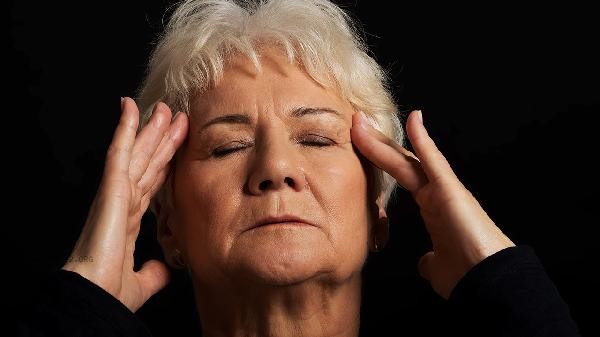
Traditional Chinese medicine can treat the elderly with dysphagia after stroke by means of acupuncture and moxibustion, traditional Chinese medicine conditioning, massage, diet conditioning and rehabilitation training. Dysphagia after stroke is often caused by stagnation of qi and blood, obstruction of meridians, or dysfunction of internal organs. Treatment should be based on the patient's physical condition and syndrome differentiation.
1. acupuncture and moxibustion treatment
Select Lianquan, Fengchi, Yifeng and other acupoints for acupuncture, and cooperate with electroacupuncture stimulation to improve local qi and blood circulation. Empirical patients can use acupoints such as Hegu and Taichong for laxative therapy, while patients with deficiency syndrome can use moxibustion at Zusanli and Guanyuan to tonify their vital energy. Treatment should be performed by a professional physician to avoid accidental injury to the throat tissue.
2. Traditional Chinese Medicine Treatment
For phlegm and blood stasis obstructing collaterals, Tongqiao Huoxue Tang can be modified to include blood activating herbs such as Danshen and Chuanxiong; Qi deficiency and blood stasis type can be treated with Buyang Huanwu Tang, and Huangqi can be used to replenish qi. The decoction should be concentrated and taken frequently in small amounts, or administered by nasal feeding. During medication, blood pressure changes should be monitored to prevent the risk of bleeding caused by blood activating drugs.
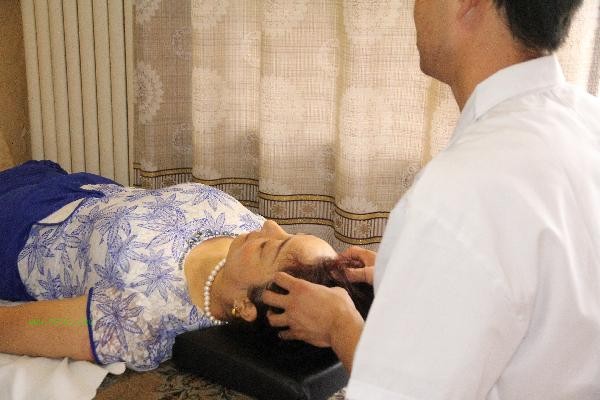
3. Massage therapy
Point press along the Yangming Stomach Meridian acupoints of the foot, combined with gentle kneading of the throat. Use one finger Zen massage to relieve neck muscle tension, treat for 20 minutes daily. Maintain the patient's head in a neutral position during operation, and prohibit violent methods to avoid inducing secondary injuries.

4. Diet Care
Prepare food into paste or soup, and give priority to yam Congee, lily soup and other products that can strengthen the spleen and nourish yin. Feed in small quantities with multiple meals, and maintain a 45 degree semi recumbent position while eating. Avoid eating spicy, stimulating, and sticky foods. After swallowing, check for oral residues to prevent aspiration and lung infection.
5. Rehabilitation training
Guide patients to perform exercises such as empty swallowing and tongue muscle resistance, combined with ice stimulation to improve throat sensitivity. Adopting vocal respiratory coordination exercises to improve laryngeal muscle control, gradually transitioning to solid food swallowing. Family members are required to supervise the entire training process. If coughing occurs, immediately stop and pat the back for treatment. During the treatment period, it is necessary to regularly evaluate the nutritional status and monitor weight changes. Maintain oral hygiene and clean tongue coating with a cotton swab after eating. The bedroom should be equipped with suction devices, and the head of the bed should be raised 30 degrees to prevent reflux. It is recommended to undergo swallowing angiography review every week and adjust dietary habits according to the recovery situation. Avoid eating alone, and family members should master the Heimlich first aid method to deal with sudden suffocation.






Comments (0)
Leave a Comment
No comments yet
Be the first to share your thoughts!