
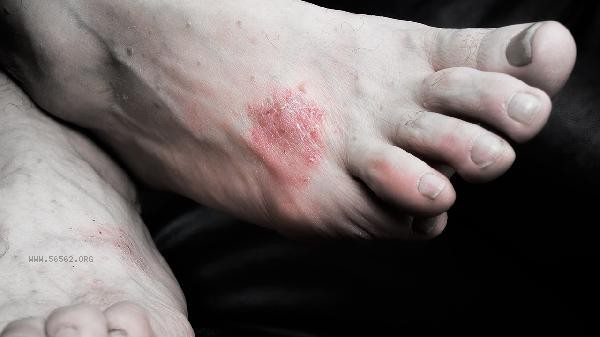
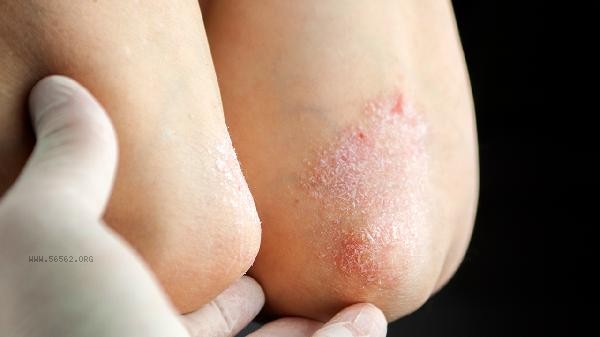
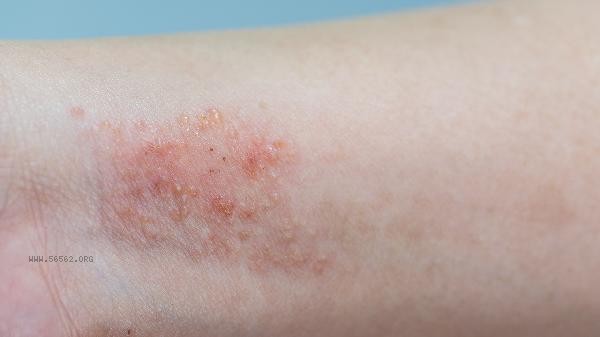
Psoriasis can be treated by taking Chinese medicine orally, applying Chinese medicine externally, acupuncture and moxibustion, cupping, medicine bath, etc. Psoriasis may be related to genetic factors, immune abnormalities, infections, mental stress, environmental stimuli, and other factors. It usually manifests as symptoms such as erythema, scales, dry skin, and itching.
1. Oral administration of traditional Chinese medicine
The prescription is selected based on the syndrome differentiation. For blood heat syndrome, rhinoceros horn and rehmannia decoction is commonly used with modifications. For blood dryness syndrome, Danggui Yinzi can be used. For blood stasis syndrome, Taohong Siwu decoction is commonly used. Traditional Chinese medicine practitioners should adjust the prescription based on tongue and pulse conditions to avoid self medication. Some patients may have symptoms such as joint swelling and pain or nail indentation.
2. External application of traditional Chinese medicine
Qingdai powder, Huanglian ointment, etc. can directly act on the skin lesions, relieve scales and inflammation. Mild preparations can be used during the active phase, while stronger ointments can be used during the inactive phase. Topical medication may cause local irritation, and immediate cessation of use is necessary if there is a burning sensation. When the skin lesion area is large, medication should be applied alternately in different regions.
3. acupuncture and moxibustion therapy
The acupoint selection is mainly Zusanli, Quchi, Xuehai, etc., with local peripheral needling. Improve microcirculation by regulating meridians, qi and blood, and treat 1-2 times a week. Some patients may experience temporary worsening of skin lesions during the initial stage of treatment, which usually subsides after 1-2 weeks. Acupuncture is prohibited for individuals with severe skin damage.
Fourthly, cupping therapy
involves flashing or retaining cupping at the Back Yu acupoint to promote local Qi and blood circulation. Patients with increased capillary fragility need to control the negative pressure intensity and keep the container for no more than 5 minutes. After cupping, there may be bruising, which usually subsides on its own within 3-5 days. It is not advisable to operate on skin lesions during the acute inflammatory phase.
Fifth, Medicinal Bath Therapy
Use decoction baths such as Huangbai, Kushen, and Difuzi to soak in, with water temperature maintained at 38-40 ℃. Apply moisturizer immediately after taking a medicinal bath to prevent dry skin. cardiovascular disease patients need to control the soaking time, and treatment should be terminated if palpitations and shortness of breath occur. Do not use when there is extensive skin erosion. Psoriasis patients should wear loose cotton clothing to avoid scratching the skin lesions. Maintain a regular daily routine and emotional stability, and pay attention to moisturizing the skin in winter. The diet should be light, limiting the intake of nutrients such as beef and mutton, and supplementing foods rich in vitamin A such as carrots and pumpkins appropriately. Regular follow-up visits during treatment can adjust the treatment plan, and the combination of traditional Chinese and Western medicine can improve the efficacy.





Comments (0)
Leave a Comment
No comments yet
Be the first to share your thoughts!