
TCM treatment of premature ovarian failure mainly involves comprehensive intervention through Chinese medicine conditioning, acupuncture and moxibustion, moxibustion, massage and diet. Premature ovarian failure may be related to factors such as kidney essence deficiency, liver depression and qi stagnation, insufficient qi and blood, spleen deficiency and dampness, and imbalance of Chong and Ren. It usually manifests as symptoms such as infrequent menstruation, amenorrhea, hot flashes and night sweats, insomnia and irritability, and soreness and weakness of the waist and knees.

1. Traditional Chinese Medicine Regulation
Traditional Chinese medicine believes that premature ovarian failure is closely related to kidney deficiency, and commonly uses kidney tonifying and essence filling traditional Chinese medicines such as Zuogui Wan, Yougui Wan, Liuwei Dihuang Wan, etc. For patients with liver depression and qi stagnation, Xiaoyao Wan or Chaihu Shugan San can be used. For those with insufficient Qi and blood, Guipi Tang or Bazhen Tang can be modified. Traditional Chinese medicine needs to be treated based on individual constitution differentiation, and the treatment course is usually longer, requiring consistent use for 3-6 months. During the medication period, it is necessary to avoid eating raw, cold, spicy food and stay up late to avoid fatigue.
2. acupuncture and moxibustion therapy
acupuncture and moxibustion regulates endocrine function by stimulating Guanyuan, Qihai, Sanyinjiao, uterine points and other specific meridian points.
Warm acupuncture and moxibustion or electroacupuncture stimulation is commonly used, and treatment is 2-3 times a week, 10 times as a course of treatment. Acupuncture and moxibustion can improve the local blood circulation of the ovary, regulate the function of the hypothalamus pituitary ovary axis, and have obvious effects on relieving hot flashes, insomnia and other symptoms. During treatment, it is important to keep warm and avoid catching a cold.

3. Moxibustion therapy
Moxibustion mainly selects acupoints such as Shenque, Guanyuan, and Zusanli, and uses warm stimulation to warm and tonify kidney yang, regulate Chong and Ren. Ginger separated moxibustion or moxa stick suspension moxibustion can be used, lasting 15-20 minutes each time, once every other day. Moxibustion can improve the blood supply to the uterus and ovaries, promote hormone secretion, and have significant effects on kidney yang deficiency symptoms such as cold sensitivity and lower back pain. When applying moxibustion, it is necessary to prevent burns, and those with yin deficiency and excessive fire should use it with caution.
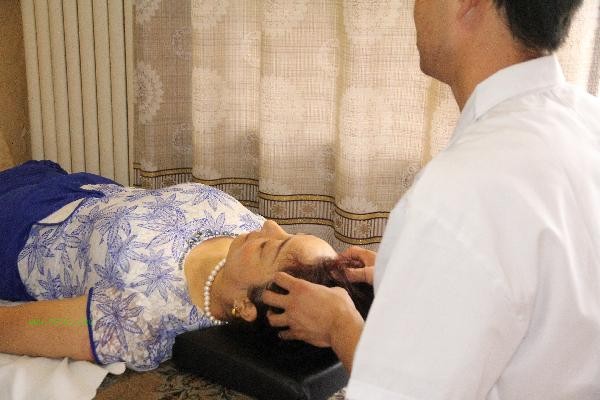
4. Tuina Therapy
Tuina focuses on the abdomen and lumbosacral region, using techniques such as rubbing the abdomen, acupressure, and kneading to stimulate the meridians of the Ren and Belt meridians. Commonly used acupoints include Qi Hai, Guan Yuan, Shen Shu, etc., 2-3 times a week, and can be used in conjunction with essential oils. Tuina can unblock meridians and qi, relieve pelvic stasis, and improve menstrual irregularities. The operating force should be moderate, and menstruation should be paused.
5. Diet and recuperation
It is recommended to use black beans, medlar, yams, walnuts, ass hide glue and other kidney tonifying and essence enriching ingredients, which can be compatible with Tonic Diet such as angelica, ginger, mutton soup, Siwu soup, etc. Avoid raw and cold foods, and increase intake of high-quality protein and vitamin E in moderation. Roses and goji berries can be used as tea drinks in daily life, combined with regular sleep and moderate exercise. Dietary regulation requires long-term persistence, and it is more effective to combine it with other traditional Chinese medicine therapies.

Traditional Chinese Medicine emphasizes overall regulation in the treatment of premature ovarian failure, and personalized plans should be developed based on the specific syndrome type of the patient. During the treatment period, one should maintain a relaxed mood, avoid excessive fatigue, and ensure adequate sleep. It is recommended to monitor changes in basal body temperature and hormone levels, and if necessary, combine traditional Chinese and Western medicine for treatment. Daily practice of health preserving techniques such as Ba Duan Jin and Tai Chi, avoiding spicy and stimulating foods, quitting smoking and limiting alcohol consumption, and adjusting medication plans through regular follow-up visits.





Comments (0)
Leave a Comment
No comments yet
Be the first to share your thoughts!