
TCM treatment of lung cancer is mainly based on the principle of strengthening the body and expelling pathogenic factors, and syndrome differentiation, combined with comprehensive intervention methods such as oral administration and external treatment of traditional Chinese medicine, acupuncture and moxibustion and dietotherapy. Common methods include traditional Chinese medicine formulas such as tonifying qi and nourishing yin, resolving phlegm and dispersing nodules, clearing heat and detoxifying, etc., combined with acupoint stimulation to improve symptoms.
1. Oral administration of traditional Chinese medicine
Traditional Chinese medicine formulates personalized prescriptions based on the imbalance of qi, blood, yin and yang in lung cancer patients. For the type of Qi Yin deficiency, the commonly used Shengmai drink is modified to include ingredients such as ginseng and Ophiopogon japonicus to nourish Qi and Yin; Phlegm heat obstructing the lungs may be treated with Qingjin Huatan Tang, which contains ingredients such as Huangqin and Gualou to clear heat and reduce phlegm. Traditional Chinese patent medicines and simple preparations such as compound cantharidin capsules and cinobufacin tablets can also assist in inhibiting tumor growth, and should be taken regularly for a long time under the guidance of doctors.
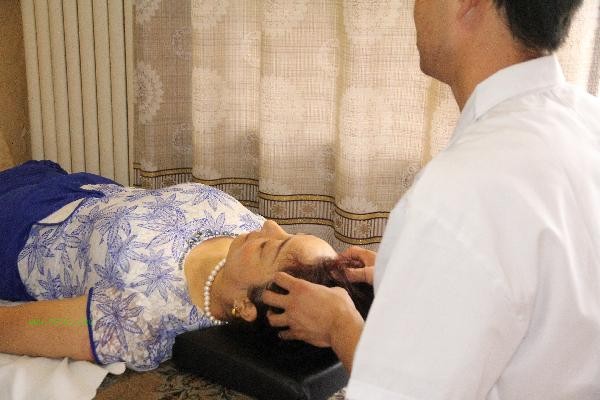
II. acupuncture and moxibustion therapy
Acupuncture or moxibustion at points such as Feishu and Zusanli will help relieve cough and shortness of breath. Electroacupuncture stimulation can regulate immune function and alleviate bone marrow suppression after radiotherapy and chemotherapy. Ear acupressure is commonly used in reflex areas such as the lungs and nerves, and has an auxiliary analgesic effect on cancer pain. The treatment should be performed by a professional acupuncture and moxibustion to avoid the risk of infection.
III. External Treatment
Apply traditional Chinese medicine patches to the back lung area, such as the Xiaocaiping patch, which can be locally absorbed through the skin. Ionic import technology can enhance drug penetration and improve symptoms of pleural effusion. For bone metastasis pain, blood activating and stasis removing ointments can be applied externally. Individuals with sensitive skin should monitor for allergic reactions and discontinue use immediately if redness or swelling occurs.
Fourth, Dietary Therapy
For patients with lung yin deficiency, it is recommended to use lily fungus to nourish yin and moisten the lungs. For those with severe phlegm and dampness, coix seed can be eaten to strengthen the spleen and eliminate dampness. During radiotherapy, fresh reed root juice can be used to relieve dry mouth, and after chemotherapy, Huangqi stewed chicken can be used to increase white blood cells. It is necessary to avoid spicy and hot food, and all Tonic Diet should be recommended by TCM doctors based on syndrome differentiation.
Fifth, Qigong Guidance
Traditional techniques such as Eight Section Brocade and Six Character Formula improve lung function by regulating breathing and breathing. Practice according to your ability, with slight sweating as the limit. Combining meditation and relaxation can alleviate anxiety, but it cannot replace formal treatment. Late stage patients should undergo rehabilitation under the guidance of a rehabilitation therapist.
Traditional Chinese Medicine emphasizes full participation in the treatment of lung cancer, early cooperation with surgery, radiotherapy, chemotherapy to reduce toxicity and increase efficiency, and late stage focus on improving quality of life. Patients need to undergo regular follow-up imaging to evaluate the therapeutic effect. In case of emergencies such as hemoptysis and high fever, immediate Western medicine intervention is required. Maintain a good daily routine, avoid respiratory infections, follow a light and easily digestible diet, and family members should assist in recording changes in symptoms for medical communication and reference.





Comments (0)
Leave a Comment
No comments yet
Be the first to share your thoughts!