
The treatment of insomnia by traditional Chinese medicine is mainly through the comprehensive intervention of traditional Chinese medicine conditioning, acupuncture and moxibustion therapy, emotional regulation, diet regulation, guided exercise, etc. Insomnia is often related to factors such as organ dysfunction, insufficient qi and blood, and emotional disorders in traditional Chinese medicine theory, and requires differentiation and treatment.
1. Traditional Chinese Medicine Treatment
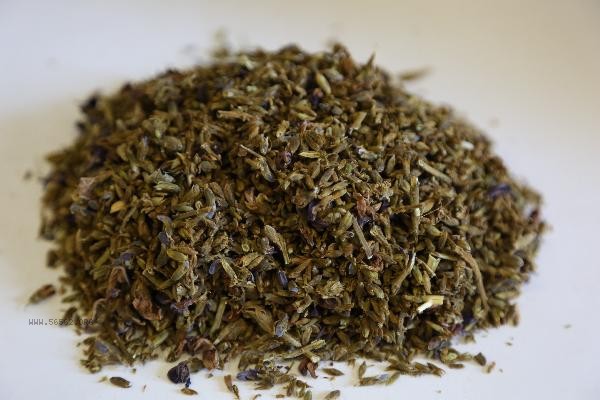
Different formulas are selected according to the syndrome type. For example, Guipi Tang can be used for the heart and spleen deficiency type, which contains ingredients such as Huangqi and longan meat, which can help nourish the heart and spleen; The liver stagnation and fire transformation type is suitable for Danzhi Xiaoyao Powder, which contains medicinal herbs such as peony bark and gardenia to soothe the liver and clear heat. Traditional Chinese patent medicines and simple preparations, such as Anshen Bunao Ye and Zaoren Anshen Capsule, can also be used according to the syndrome, but it needs the guidance of a doctor. Traditional Chinese medicine treatment needs to last for a period of time and adjust the formula according to changes in the syndrome.
II. acupuncture and moxibustion therapy
Acupuncture or moxibustion at Baihui, Shenmen, Sanyinjiao and other acupoints can adjust the balance of yin and yang. For heart kidney non overlapping type, Taixi acupoint can be added, and for spleen stomach non overlapping type, Zusanli acupoint can be added. Acupuncture and moxibustion can improve the circulation of qi and blood by stimulating the meridians, which has obvious effect on insomnia of the type of deficiency of both heart and spleen. The treatment needs to be carried out by professional physicians, with 10-15 sessions per course of treatment. Some patients can enhance the therapeutic effect by combining electroacupuncture.
Thirdly, emotional regulation
adopts five tone therapy, empathy and other methods to relieve liver depression, such as listening to angle music to relieve anxiety. Traditional Chinese medicine believes that anger can harm the liver and one should avoid excessive emotions, such as sitting quietly or practicing calligraphy to nourish the mind. Insomnia caused by emotional factors requires psychological counseling to relieve overthinking and establish regular sleep habits.

IV. Diet regulation
It is recommended to eat lotus seed and lily Congee, sour jujube kernel tea and other soothing meals to avoid spicy and stimulating food. Those with a strong heart can drink light bamboo leaves instead of tea, and those with yin deficiency are suitable for Broth of white fungus. Dinner should not be too full. Fasting should be done 2 hours before bedtime, and a small amount of warm milk can be consumed. Dietary therapy needs to be persisted for a long time, and the effect is better when combined with physical conditioning.
Fifth, Guiding Exercise
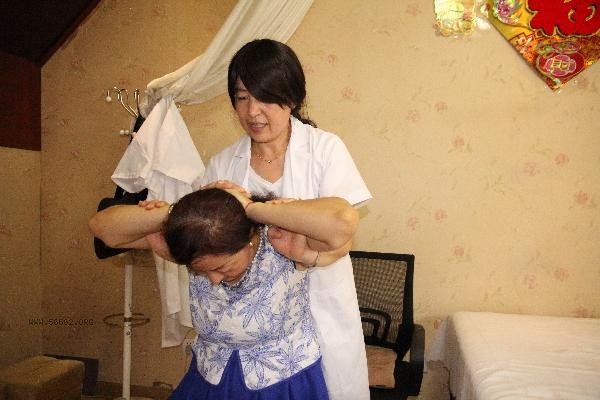
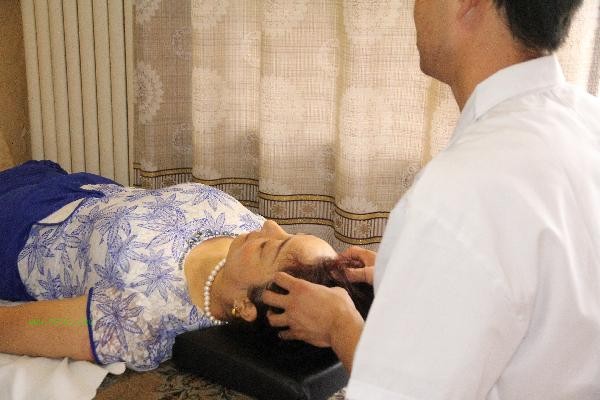
Practicing traditional guiding techniques such as Eight Section Brocade and Five Animal Play, or engaging in soothing Tai Chi exercises, can help harmonize qi and blood. Massage the Yongquan acupoint and temples before bedtime to promote relaxation. The intensity of exercise should be moderate with slight sweating, avoiding intense nighttime activities. Guidance needs to be adhered to daily, and the effect of breathing and exhalation is better when combined. Traditional Chinese Medicine emphasizes individualized treatment plans for insomnia, which should be combined with tongue and pulse syndrome differentiation. It is recommended to seek systematic treatment under the guidance of a professional traditional Chinese medicine practitioner and avoid self medication. Keep the bedroom quiet and dark in daily life, set a fixed bedtime, and take a nap of no more than 30 minutes. Long term insomnia patients should exclude organic diseases and record sleep diaries during treatment to adjust their plans. A light diet is recommended, and taking a walk after dinner can help fall asleep. Avoid using electronic devices before bedtime.





Comments (0)
Leave a Comment
No comments yet
Be the first to share your thoughts!