
Traditional Chinese medicine mainly treats constipation by adjusting diet, acupoint massage, traditional Chinese medicine conditioning, acupuncture and moxibustion therapy, and sports guidance. Constipation may be related to factors such as gastrointestinal heat accumulation, stagnation of qi, deficiency of qi and blood, deficiency of yin and jin, spleen and kidney yang deficiency, etc. It usually manifests as symptoms such as difficulty in defecation, dry stool, abdominal distension and pain.
1. Adjusting diet
Increasing dietary fiber intake can help promote gastrointestinal peristalsis, and foods such as broccoli, oats, and dragon fruit can be consumed in moderation. Avoid spicy and stimulating foods and reduce the intake of refined rice and flour. Daily water intake should be sufficient, and drinking warm water on an empty stomach in the morning can stimulate intestinal peristalsis. People with spleen and stomach deficiency and cold should avoid raw and cold foods, and can consume yam and pumpkin as warm and nourishing ingredients appropriately.
2. Acupoint Massage
Daily massaging of acupoints such as Tian Shu and Zu San Li can regulate gastrointestinal function. The Tian Shu acupoint is located two inches next to the navel. Use your fingertips to massage clockwise for 3-5 minutes. The Zusanli acupoint is located three inches below the knee, one horizontal finger on the outer side of the tibia. It is recommended to have a sour and swollen feeling when pressing. Before massage, mugwort essential oil can be used in combination to enhance the effect, but it is not recommended for pregnant women. Long term adherence to massage can improve intestinal conduction function.
III. Traditional Chinese Medicine Treatment
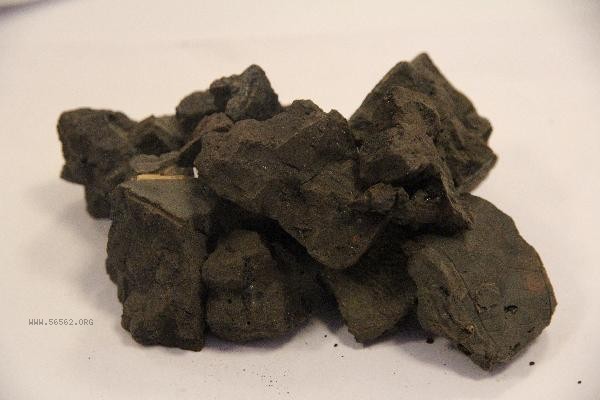
For gastrointestinal heat accumulation type, Ma Ren Run Chang Wan can be used, which contains ingredients such as fire Ma Ren and bitter almonds. Qi stagnation type is suitable for Zhishi Daozhi Wan, which contains Qi regulating herbs such as Zhishi and Houpu. People with insufficient Qi and blood should take Ginseng Jianpi Pill, which contains nourishing ingredients such as ginseng and Atractylodes macrocephala. Insufficient Yin and Jin can be treated with Zengye Tang, which contains nourishing Yin herbs such as Xuanshen and Ophiopogon japonicus. For patients with spleen and kidney yang deficiency, Jichuan decoction is suitable, which contains warm yang medicines such as Cistanche deserticola and Angelica sinensis. All traditional Chinese medicine must be used after TCM syndrome differentiation.
IV. acupuncture and moxibustion therapy
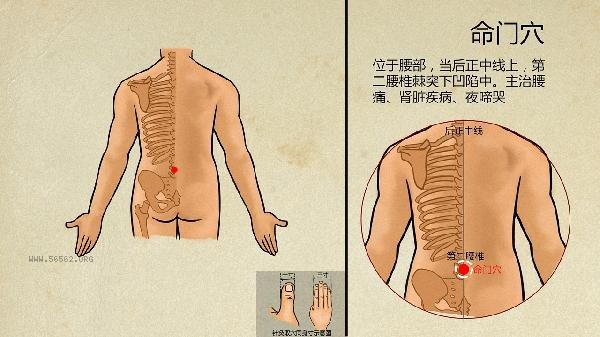
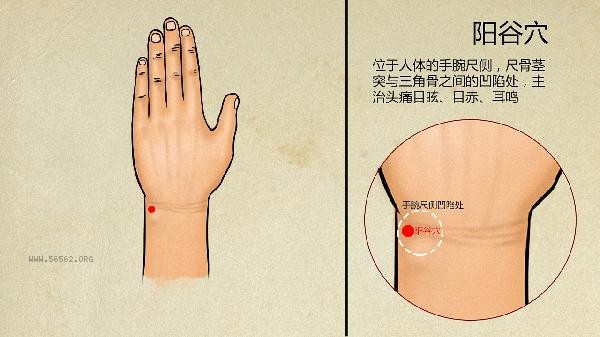
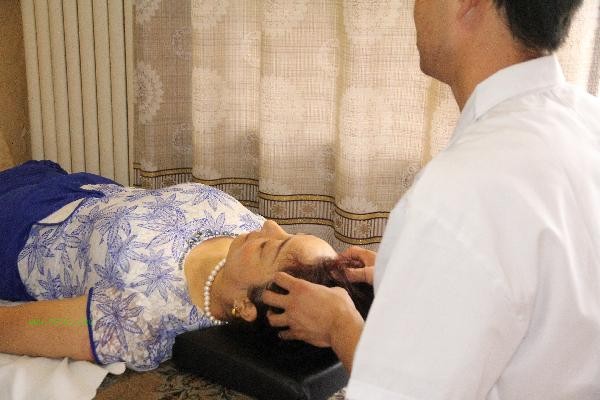
Acupuncture at points such as Dachangshu and Shangjuxu can regulate intestinal function. Electroacupuncture stimulation can enhance intestinal peristalsis frequency, with each treatment lasting 20-30 minutes. Moxibustion at Shenque acupoint is suitable for constipation of deficiency cold type, applied 3-5 centimeters away from the skin. Ear needles are selected to apply pressure to acupoints such as the large intestine and rectum, without leaving any seeds. Acupuncture and moxibustion treatment should be performed by professional doctors, 10-15 times as a course of treatment. Patients with bleeding constitution should use this method with caution.
Fifth, Exercise Guidance
The "Regulating the Spleen and Stomach with Single Lifting" movement in the Eight Section Brocade can promote gastrointestinal peristalsis. Massage the abdomen clockwise 100 times a day in the morning, accompanied by abdominal breathing. The cloud hand movements of Tai Chi can unblock the triple energy mechanism. Aerobic exercises such as brisk walking and swimming should be done 3-5 times a week. Sedentary people should get up and move around every hour to avoid stagnation of their qi. The appropriate intensity of exercise is slight sweating to avoid excessive consumption of qi and blood. Constipation patients should establish regular bowel habits, with the best time for defecation being within 2 hours after waking up in the morning or after meals. Maintain a relaxed mood and avoid excessive worry that can lead to qi stagnation. Long term constipation or symptoms such as weight loss and rectal bleeding should be promptly treated with medical attention. Record bowel movements during treatment, including frequency, characteristics, etc., to facilitate doctors in adjusting their plans. Pay attention to keeping your abdomen warm in winter, avoid excessive exposure to cold in summer, and choose suitable health methods according to your constitution.





Comments (0)
Leave a Comment
No comments yet
Be the first to share your thoughts!