
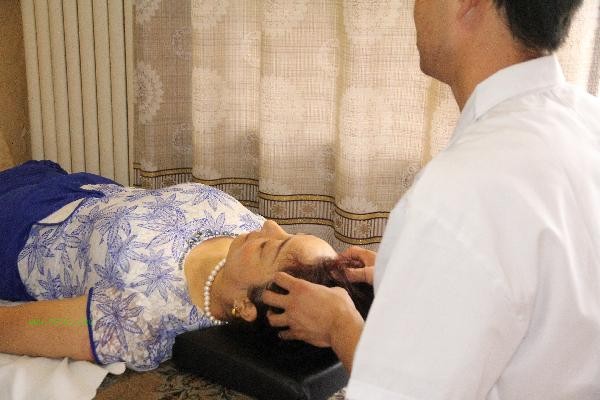
Traditional Chinese medicine treats adult Still's disease with syndrome differentiation as the core. According to the individual's constitution and disease stage, it adopts comprehensive therapies such as oral administration of Chinese medicine, acupuncture and moxibustion, massage, etc., which are usually used together with western medicine as auxiliary treatment methods. Traditional Chinese medicine treatment for this disease focuses on regulating yin and yang, soothing the liver and relieving depression, clearing heat and detoxifying. The acute phase is mainly characterized by clearing heat and cooling blood. Commonly used formulas include modified Xijiao Dihuang Decoction, Qingying Decoction, etc. Traditional Chinese medicine containing ingredients such as buffalo horn, raw rehmannia, and peony bark can inhibit excessive immune reactions. During the remission period, the focus is on strengthening the spleen and qi, nourishing blood and softening the liver. Formulas such as Guipi Tang and Sijunzi Tang can help repair the body's functions. Some patients responded well to traditional Chinese patent medicines and simple preparations such as tripterygium wilfordii polyglycoside tablets and total glucosides of paeony capsules, but should be alert to hepatorenal toxicity. Acupuncture and moxibustion points such as Dazhui, Quchi and Zusanli are selected to dredge the meridians, and massage techniques are used to relax muscles and joints. On the basis of traditional therapy, traditional Chinese medicine emphasizes dietary regulation and emotional management. During the attack period, it is advisable to consume heat clearing ingredients such as mung beans and lotus roots, while during the relief period, supplements such as yam and red dates can be added. Relaxing exercises such as Ba Duan Jin and Tai Chi can help improve the circulation of qi and blood. Patients need to avoid triggering factors such as staying up late and emotional fluctuations, and pay attention to keeping warm in winter. Due to the easy recurrence of this disease, it is recommended to regularly monitor inflammatory indicators, and the treatment plan of traditional Chinese and Western medicine needs to be dynamically adjusted based on laboratory test results. When acute high fever or visceral involvement occurs, Western medicine treatment is still the main approach, and traditional Chinese medicine takes effect slowly. Immunosuppressants should not be discontinued without authorization.





Comments (0)
Leave a Comment
No comments yet
Be the first to share your thoughts!