
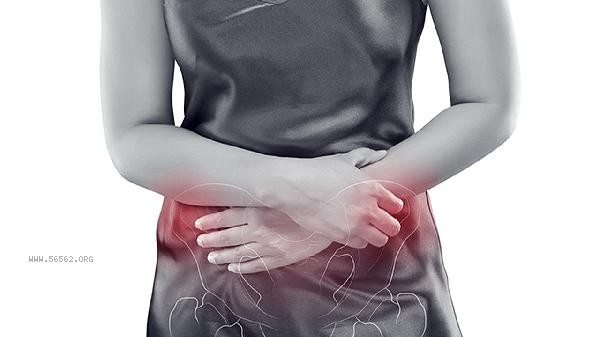
The traditional Chinese medicine recuperates fallopian tube blockage mainly by promoting blood circulation and removing blood stasis, warming channels and unblocking collaterals, soothing the liver and regulating qi, etc. The commonly used methods include oral administration of traditional Chinese medicine, acupuncture and moxibustion therapy, moxibustion therapy, massage, diet conditioning, etc. Blockage of the fallopian tubes may be related to factors such as qi stagnation and blood stasis, cold and dampness stagnation, and damp heat and blood stasis. It usually manifests as symptoms such as infertility, lower abdominal pain, and menstrual disorders.
1. Oral administration of traditional Chinese medicine
Chinese medicine commonly used for promoting blood circulation and removing blood stasis, such as Guizhi Fuling Wan and Shaofu Zhuyu Tang, can improve local microcirculation in the fallopian tubes. For qi stagnation and blood stasis type, Xuefu Zhuyu Tang can be modified, while for cold dampness type, Wenjing Tang can be combined with Ai Fu Nuan Gong Wan. Individualized prescriptions should be prescribed by traditional Chinese medicine practitioners after differentiation of symptoms, avoiding self medication.
2. acupuncture and moxibustion therapy
Select Guanyuan, Sanyinjiao, uterus and other acupoints for acupuncture, and cooperate with electroacupuncture stimulation to promote oviduct peristalsis. Treat once every other day, with three consecutive menstrual cycles as one course of treatment. Clinical research shows that acupuncture and moxibustion can improve the function of oviduct cilia swing, but it needs to be combined with ultrasonic monitoring to evaluate the effect.
3. Moxibustion therapy
uses ginger separated moxibustion at Shenque point or direct moxibustion at Baliao point to resolve stasis in the fallopian tubes through a warming effect. Moxibustion lasts for 15 minutes each time, and treatment starts continuously for 10 days after the menstrual period is over. The volatile oil components of Artemisia argyi can be absorbed through the skin to produce anti-inflammatory effects, but it is necessary to prevent low-temperature burns.
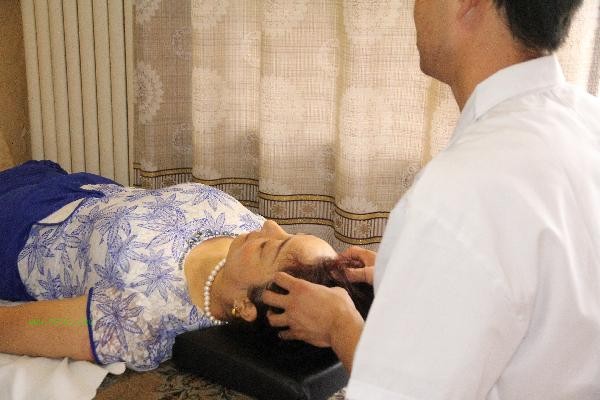
4. Tuina massage
Acupoint pressing along the Ren and Dai meridians, combined with abdominal massage techniques, once a day can relieve pelvic adhesions. Focus on operating acupoints such as Qi Hai and Zhongji, and combine them with infrared therapy for better results. The massage force should be gentle to avoid tissue damage caused by violent manipulation.
5. Dietary Adjustment
Daily dietary remedies include hawthorn brown sugar water, motherwort egg soup, etc. Avoid eating raw, cold, greasy foods. Moderate increase of ginger and rose isothermal ingredients, taking Danggui lamb soup before and after menstruation can help promote the circulation of qi and blood. Long term consumption of saffron should pay attention to the risk of bleeding.
Traditional Chinese medicine conditioning should last for 3-6 menstrual cycles, and it is recommended to regularly review fallopian tube imaging to evaluate patency during treatment. If accompanied by severe pelvic adhesions or hydrosalpinx, combined laparoscopic surgery should be considered. Maintain moderate exercise such as Baduanjin, yoga, etc., and avoid prolonged sitting that can cause pelvic congestion. Pay attention to menstrual hygiene, have moderate sexual activity, and reduce intrauterine procedures such as induced abortion.




Comments (0)
Leave a Comment
No comments yet
Be the first to share your thoughts!