
Traditional Chinese Medicine classifies depression as depression syndrome, believing that its onset is closely related to emotional disorders, disharmony of qi and blood, and dysfunction of organs, mainly involving dysfunction of the liver, heart, and spleen.

1. Emotional Injury
Long term worry, anger, or mental stimulation can lead to liver qi stagnation, manifested as low mood, chest and rib pain. Traditional Chinese medicine treatment mainly focuses on soothing the liver and relieving depression, commonly using modified Chaihu Shugan San, combined with emotional regulation such as the method of transferring emotions. Long term liver depression may turn into fire, causing symptoms such as bitter mouth and insomnia. At this time, it is necessary to add liver clearing and purging gunpowder such as gardenia and Scutellaria baicalensis.
2. Insufficient Qi and Blood
Excessive thinking or prolonged illness can lead to heart and spleen deficiency, insufficient Qi and blood biochemistry, common palpitations, forgetfulness, and decreased appetite. Guipi Tang is a representative formula that can be combined with tonifying drugs such as Huangqi and Codonopsis pilosula. Individuals with severe deficiency of qi and blood may experience delayed thinking and pale complexion, and require strengthened treatment to nourish qi and blood.
3. Phlegm Dampness Blockade
When the spleen is not functioning properly, dampness accumulates and phlegm is produced. The combination of phlegm and qi can blind the mind, manifested as chest tightness, abdominal distension, and heavy head. Wendan Tang is a commonly used formula for resolving phlegm and opening up orifices, containing medicines such as Pinellia ternata and Chenpi. Long term stagnation of phlegm and dampness may lead to the formation of phlegm heat disturbing the heart syndrome. It is necessary to add Huanglian and Zhuru to clear heat and phlegm.

Fourth, Kidney Essence Deficiency
Congenital deficiency or long-term illness, as well as kidney dysfunction, can lead to brain marrow loss, memory decline, and depression. Zuogui Wan or Yougui Wan can nourish the kidneys and replenish essence, and can be used in combination with Yuanzhi, Shichangpu, and other herbs to awaken the senses. People with kidney yang deficiency often have chills and cold limbs, and need to add cinnamon and aconite to warm and nourish kidney yang.
5. Blood stasis and internal resistance
Long term stagnation of qi can cause poor blood flow, and stagnation of the brain meridian can lead to fixed headache and dark purple tongue. Xuefu Zhuyu Tang can promote blood circulation and remove blood stasis, and commonly used drugs such as Danshen and Chuanxiong. Blood stasis syndrome often coexists with other syndrome types, and medication should be used according to the urgency of the specimen.

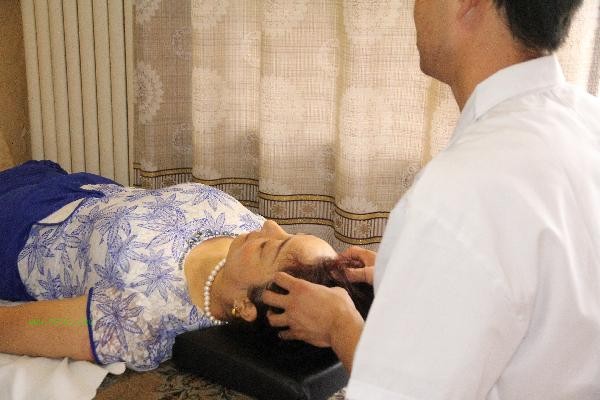
TCM treatment of depression emphasizes treatment based on syndrome differentiation and overall regulation. In addition to drugs, it can also cooperate with acupuncture and moxibustion, massage, Qigong and other non drug therapies. Daily attention should be paid to maintaining a regular schedule, avoiding excessive thinking, and engaging in soothing exercises such as Eight Section Brocade and Tai Chi. The diet should be light and easy to digest, with less intake of raw, cold, and greasy foods. It is recommended to consume moderate amounts of spleen tonifying and calming ingredients such as lilies, lotus seeds, and yams. When symptoms persist or worsen, timely medical attention should be sought. Integrated treatment with traditional Chinese and Western medicine can often achieve better results.





Comments (0)
Leave a Comment
No comments yet
Be the first to share your thoughts!