
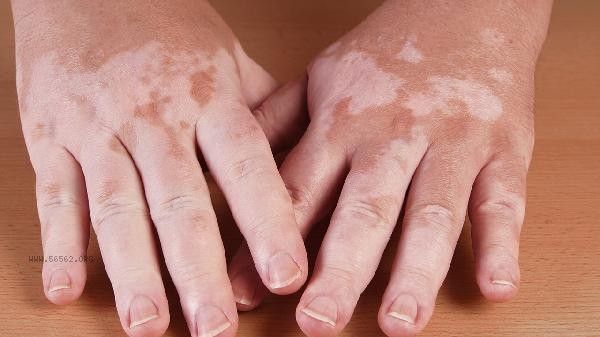
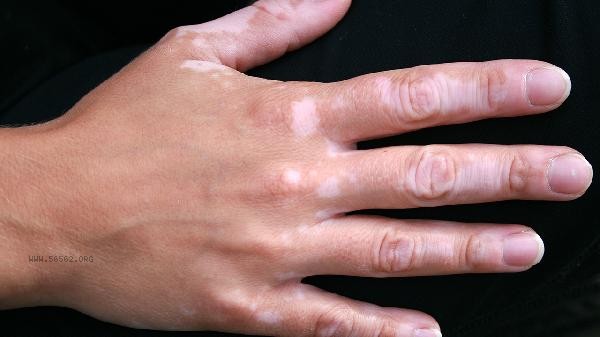
Vitiligo can be treated by taking Chinese medicine orally, applying Chinese medicine externally, acupuncture and moxibustion therapy, fire needle therapy, cupping therapy and other Chinese medicine methods. Vitiligo may be related to factors such as liver and kidney deficiency, disharmony between qi and blood, external invasion of wind pathogens, emotional disorders, and external stimuli. It usually manifests as white patches on the skin, clear boundaries, and no conscious symptoms.
1. Oral administration of traditional Chinese medicine
Oral administration of traditional Chinese medicine is a commonly used method for treating vitiligo, and the prescription is usually selected based on the specific syndrome type of the patient. For liver and kidney deficiency type, Liuwei Dihuang Wan can be modified. For Qi blood disharmony type, Vitiligo Wan can be used. For wind pathogen invasion type, Xiaofeng San can be modified. Oral administration of traditional Chinese medicine requires long-term conditioning, and patients should adhere to medication under the guidance of a traditional Chinese medicine practitioner. They cannot change the prescription or stop taking medication on their own. The effectiveness of traditional Chinese medicine in treating vitiligo is slow and usually takes several months to see significant results.
2. External application of traditional Chinese medicine
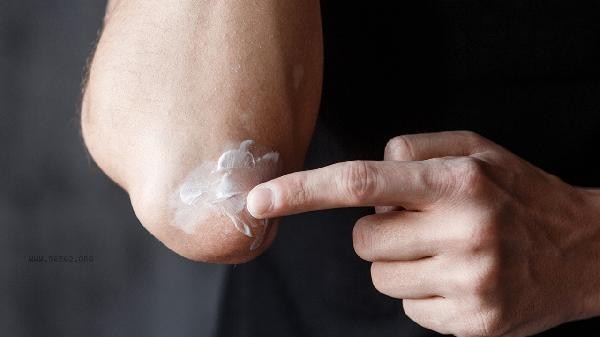
External application of traditional Chinese medicine can directly act on the white spot area, and commonly used drugs such as bone supplement and white atractylodes are applied externally. External medications often have the effects of promoting blood circulation, removing blood stasis, dispelling wind and dampness, and can stimulate local melanocyte regeneration. Before use, a small area skin test is required to avoid allergic reactions. External medication should be used in conjunction with internal medication for better results. During treatment, attention should be paid to sun protection to avoid drug photosensitivity reactions.
3. acupuncture and moxibustion therapy
acupuncture and moxibustion regulates the movement of qi and blood by stimulating the meridian points. The commonly used points include Zusanli, Sanyinjiao, Hegu, etc. Acupuncture and moxibustion can improve local microcirculation and promote the recovery of melanocyte function. The treatment should be performed by professional acupuncture and moxibustion 2-3 times a week, 10 times as a course of treatment. Acupuncture and moxibustion treatment needs long-term adherence, and it is better to cooperate with Chinese medicine, but patients with progressive vitiligo should use it carefully to avoid homomorphic reaction.
4. Fire Needle Therapy
Fire needle therapy is the process of burning a specially designed needle red and quickly puncturing the edge of a white spot to stimulate local Qi and blood circulation. This method has the effects of warming meridians, promoting blood circulation, and removing blood stasis, and can promote pigment regeneration in vitiligo areas. The operation should be carried out by experienced traditional Chinese medicine practitioners, and a slight burning sensation after treatment is a normal phenomenon. Fire needle therapy should be administered once every 7-10 days, and 3-5 times can be effective, but it should be used with caution for individuals with sensitive skin.
5. Cupping therapy
Cupping improves local blood circulation by applying negative pressure suction around white patches. Commonly used techniques such as flashing cans and moving cans can be used in conjunction with traditional Chinese medicine for promoting blood circulation and removing blood stasis. After cupping, local bruising spots may appear, which is a normal treatment response. Treat 1-2 times a week, with 5 times as one course of treatment. Cupping therapy is suitable for stable vitiligo patients, and is contraindicated for those with skin damage or inflammation. Traditional Chinese medicine treatment for vitiligo requires differentiation and treatment. Patients should maintain a regular sleep schedule, avoid staying up late and overworking. The diet should be light, and black sesame seeds, black beans, walnuts and other foods can be consumed in moderation. Pay attention to sun protection and avoid skin injuries. Maintain a positive mindset and avoid anxiety and depression. Regular follow-up visits during treatment, adjusting treatment plans according to changes in the condition. Traditional Chinese medicine treatment for vitiligo is slow to take effect and requires long-term adjustment. Patients need to have patience and persist in treatment.





Comments (0)
Leave a Comment
No comments yet
Be the first to share your thoughts!