
Chinese medicine treatment of type 1 diabetes is mainly based on auxiliary conditioning, which needs to be combined with insulin replacement therapy. TCM intervention methods mainly include nourishing yin and clearing heat, invigorating spleen and qi, promoting blood circulation and removing blood stasis, acupuncture and moxibustion and moxibustion, diet and recuperation, etc. Type 1 diabetes belongs to the disease of absolute insulin deficiency, and insulin should be used strictly according to the doctor's advice.
1. Nourishing Yin and Clearing Heat
traditional Chinese patent medicines and simple preparations such as Zhibai Dihuang Pill and Liuwei Dihuang Pill are commonly used for the syndrome of yin deficiency and excessive fire. This kind of medicine contains ingredients such as cooked rehmannia and cornus officinalis, which can improve the symptoms such as dry mouth and tongue, irritability to heat and night sweats. During treatment, blood glucose should be monitored to avoid interaction with hypoglycemic drugs.
2. Jianpi Yiqi
is suitable for patients with spleen and stomach weakness, and commonly used formulas include Shenling Baizhu San and Buzhong Yiqi Tang. Containing medicinal herbs such as Codonopsis pilosula and atractylodes macrocephala, it can alleviate accompanying symptoms such as fatigue and loss of appetite. Attention should be paid to the interval of at least 2 hours between traditional Chinese medicine and insulin injection.
3. Promoting blood circulation and removing blood stasis
For patients with vascular complications, blood activating drugs such as Xuefu Zhuyu Tang and Danshen Dripping Pills can be used. Containing ingredients such as Danshen and Chuanxiong, it helps improve microcirculation disorders. Regularly check coagulation function during use.
4. acupuncture and moxibustion therapy
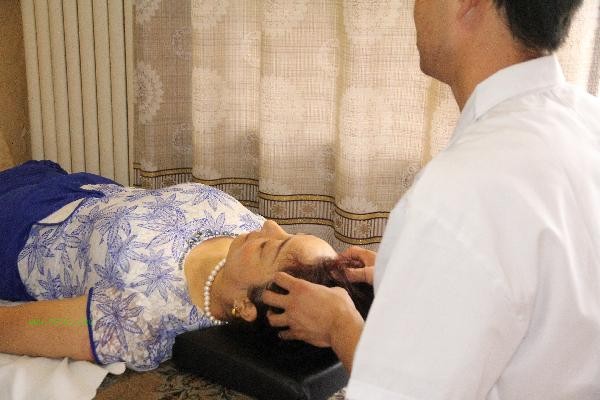
Acupuncture or moxibustion at Yishu, Spleen Shu and other acupoints, 2-3 times a week. Research shows that acupuncture and moxibustion may help regulate autonomic nervous function, but it cannot replace insulin therapy. Patients with skin infections are prohibited from using it.
5. Dietary Management
It is recommended to consume medicinal and edible ingredients such as yam and wolfberry, combined with low glycemic index foods such as bitter gourd and oats. It is necessary to strictly control the total calorie intake and eat 5-6 meals a day to avoid severe fluctuations in blood sugar.

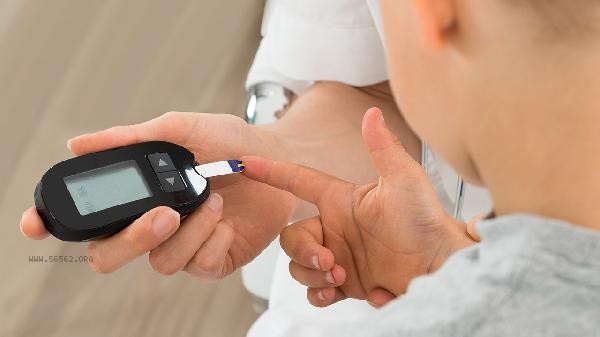
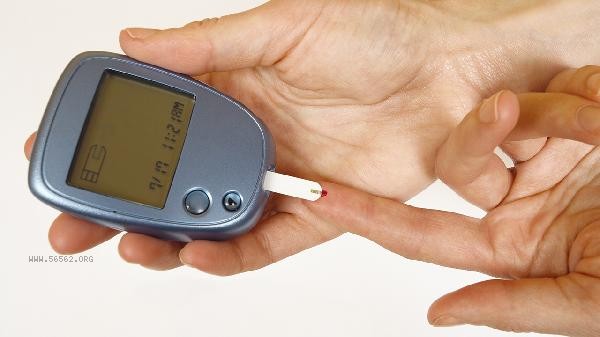
Traditional Chinese medicine treatment should be carried out on the basis of standardized insulin therapy, and all traditional Chinese medicine should be evaluated by an endocrinologist before use. Patients should monitor their blood sugar levels 7 times a day, including before and after meals and before bedtime. Maintain 150 minutes of moderate intensity exercise per week, such as traditional health practices like Tai Chi and Baduanjin. When symptoms of excessive drinking and frequent urination worsen or ketoacidosis occur, immediate emergency treatment is required.





Comments (0)
Leave a Comment
No comments yet
Be the first to share your thoughts!