
Traditional Chinese medicine can relieve symptoms of trigeminal neuralgia through acupuncture and moxibustion, oral administration of traditional Chinese medicine, massage, acupoint application, blood letting puncture and cupping. Trigeminal neuralgia may be related to factors such as wind and cold invasion, liver yang hyperactivity, qi and blood stasis, phlegm turbidity obstructing collaterals, yin deficiency and excessive fire. It usually manifests as paroxysmal severe facial pain, pain like knife cutting, and worsening symptoms when exposed to cold. It is recommended that patients receive diagnosis and treatment based on syndrome differentiation under the guidance of professional traditional Chinese medicine practitioners, avoiding self medication or delaying the condition.

1. acupuncture and moxibustion Treatment
acupuncture and moxibustion relieves pain in the trigeminal nerve distribution area by stimulating Fengchi, Hegu, Taiyang and other points to dredge the meridians. For wind cold syndrome, moxibustion can be added to warm the meridians and dispel cold. For liver yang hyperactivity type, the laxative method should be used to needle the Taichong acupoint. It should be operated by a licensed traditional Chinese medicine practitioner to avoid accidental damage to nerves and blood vessels. During the acute attack period, treatment should be given once a day, and during the remission period, treatment can be given 2-3 days apart.
2. Traditional Chinese Medicine Oral Administration
For the wind cold attacking collaterals syndrome, Chuanxiong Tea Tiao San can be modified. Chuanxiong Tea Tiao Granules containing Chuanxiong, Bai Zhi and other ingredients can dispel wind and dispel cold; For the syndrome of liver fire and inflammation, Longdan Xiegan Tang is suitable, such as Longdan Xiegan Wan which can clear the liver and relieve fire; Blood stasis syndrome can be treated with Tongqiao Huoxue Tang, such as Xuefu Zhuyu Capsule, which can promote blood circulation and unblock collaterals. Traditional Chinese medicine should be used based on syndrome differentiation to avoid long-term use of formulas containing toxic herbs such as horsehair.
3. Tuina therapy
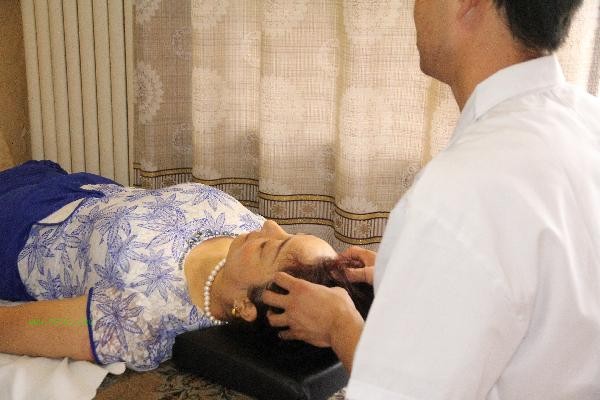
mainly involves tapping the facial acupoints of Zanzhu, Sibai, and Fengchi in the neck, combined with techniques such as rubbing and kneading to relax facial muscles. Tuina can improve local blood circulation and relieve nerve compression, with each treatment lasting 20 minutes. Pay attention to gentle techniques to avoid violent movements that may trigger pain attacks. It can be combined with hot compress to enhance the effect, but it is contraindicated during acute inflammation.

4. Acupoint application
Apply traditional Chinese medicine powders with warming and unblocking effects, such as mustard seed and xixin, to the affected side's Xiaguan and Jiache acupoints, and absorb them through the skin to exert their medicinal effects. Remove after 4-6 hours of application, and shorten the time for sensitive skin. Pregnant women and those with skin damage are prohibited from using it. If red rashes appear after applying the patch, it should be stopped immediately. Can be combined with TDP magic lamp irradiation to enhance drug penetration.
5. Acupuncture and cupping
After disinfecting the skin in areas such as temples and acupoints where pain radiates, use a plum blossom needle to puncture until slight bleeding occurs, and then apply a flash fire cupping method for 5 minutes. This method is suitable for patients with qi and blood stasis type, which can dispel blood stasis, promote regeneration, unblock collaterals and relieve pain. Treat once a week, with three sessions constituting one course of treatment. Patients with coagulation dysfunction and weak constitution should not use it. Patients with trigeminal neuralgia should avoid direct cold air blowing on their face in daily life, wash their face with warm water, have a light diet, and avoid spicy and irritating foods. Maintain emotional stability and avoid anxiety and tension that can trigger pain. During acute attacks, gently press the painful area or take quick acting heart saving pills for temporary relief. If the pain continues to worsen or symptoms such as facial numbness and muscle atrophy appear, timely follow-up examination should be conducted to rule out intracranial lesions. Traditional Chinese medicine treatment requires a course of 2-3 months, and the combination of Western analgesics can improve the efficacy.






Comments (0)
Leave a Comment
No comments yet
Be the first to share your thoughts!